
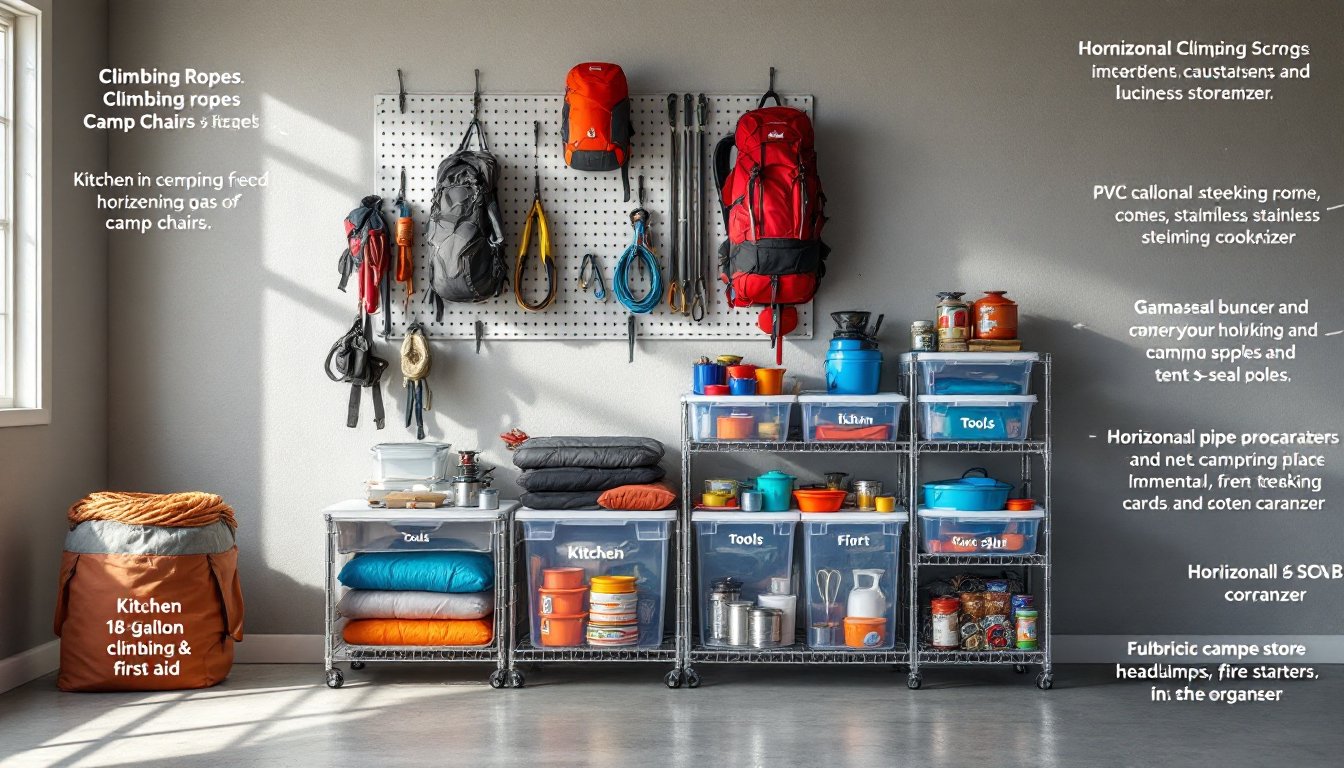

Disorganized camping gear turns a weekend escape into a frustrating scavenger hunt. Rummaging through duffel bags for headlamps, discovering crushed provisions, or realizing the tent stakes are still in the garage kills momentum before the first s’more hits the fire. Smart camping storage isn’t about buying more bins, it’s about creating systems that keep essentials accessible in the field and protected at home. Whether someone’s outfitting a backcountry pack, organizing a car camping setup, or reclaiming garage space between trips, the right storage solutions make gear last longer and adventures launch faster.
Key Takeaways
- Proper camping storage solutions protect gear investments by preventing moisture damage, rust, and UV degradation that can shorten equipment lifespan by years.
- In-tent organization with hanging organizers, overhead lofts, and collapsible bins saves setup time and keeps essentials accessible during camp.
- Vehicle campers benefit from roof cargo boxes, rooftop tents, bed storage systems, and hitch-mounted carriers that maximize space while maintaining weight distribution.
- Stackable labeled bins, compression cubes, and modular packing systems create efficient camping storage that fits vehicle cargo areas and speeds up packing.
- Never store sleeping bags compressed; hang them loosely in breathable sacks to maintain insulation loft, and keep tents dry before storing to prevent mildew.
- Budget-friendly DIY camping storage options like PVC organizers, 5-gallon buckets with gamma seal lids, and bungee cord systems cost under $50 but organize a complete gear setup.
Why Proper Camping Storage Matters for Every Outdoor Adventure
Good storage protects investments. Moisture ruins sleeping bags, rust kills knives and cookware, and UV exposure degrades tent fabrics. A $300 down sleeping bag stored compressed in a stuff sack loses loft: hung loosely in a breathable storage bag, it lasts a decade.
Organization saves time in camp. When headlamps, fire starters, and cookware each have designated spots, setup takes minutes instead of half an hour. That matters when setting up in rain or fading daylight.
Proper storage also prevents food contamination and pest issues. Crumbs left in packs attract rodents at home and bears in the backcountry. Sealed containers and regular cleaning keep gear safe and sanitary.
Finally, weight distribution matters for vehicle campers. Poorly packed roof racks raise the center of gravity and hurt fuel economy. Strategic placement keeps heavy items low and balanced.
Best Storage Solutions for Inside Your Tent
Tent real estate is precious. Hanging organizers with mesh pockets keep small items, phones, glasses, multi-tools, off the floor and visible. Most attach to tent loops or poles with clips or Velcro.
For clothing, a collapsible fabric bin (the kind that folds flat when empty) corrals dirty laundry and keeps clean clothes separated. Look for bins with breathable mesh sides to prevent mustiness.
Overhead gear lofts use the vertical space near tent peaks. These net shelves hold clothing, toiletries, or light gear. Weight capacity varies, check manufacturer specs before loading them with boots.
Shoe storage near the vestibule prevents tracked-in mud. A small waterproof stuff sack or removable tent mat catches debris. Some campers designate one corner as the “dirty zone” and use a tarp square to contain wet or muddy items.
For backpackers, ultralight stakes bags and cord organizers clip to pack loops. Everything has a place, even in a two-person tent.
Vehicle and Rooftop Storage Options for Car Campers
Roof cargo boxes add 10–20 cubic feet of lockable, weather-resistant space. They’re ideal for bulky, low-density items like sleeping bags and pillows. Pay attention to vehicle roof load ratings, most sedans max out around 150 pounds dynamic load (while driving). Installation requires crossbars compatible with the vehicle’s roof rails or tracks.
Rooftop tents integrate sleeping and storage. Many models include interior pockets and exterior annexes for gear. Setup is faster than ground tents, but they add height, check garage clearance and trail obstacles before committing.
For trucks, bed storage systems with sliding drawers keep gear organized and accessible. These work well for heavier items like camp stoves, water jugs, and tool kits. A tonneau cover or camper shell protects contents from weather and theft.
Hitch-mounted cargo carriers haul coolers, firewood, or wet gear you don’t want inside the vehicle. They reduce fuel efficiency and require a Class II hitch or higher. Use a locking cable or remove valuables when parked.
Inside the vehicle, seat-back organizers hold maps, snacks, and first-aid kits within reach. Cargo nets prevent items from sliding during sharp turns.
Smart Packing Systems: Bins, Boxes, and Organizers
Stackable plastic bins with gasket lids are the backbone of organized car camping. Clear bins let campers see contents without unpacking. Choose bins sized to fit vehicle cargo areas, measure before buying. Standard 18-gallon bins work for most SUVs and hatchbacks.
Label everything. Use a label maker or permanent marker to tag bins by category: kitchen, tools, hygiene, first aid. Color-coded lids speed identification in low light.
Modular packing cubes compress clothing and sleeping bags. Roll clothes instead of folding to maximize space and reduce wrinkles. Compression straps on cubes help, but don’t over-compress insulated gear long-term.
For kitchen gear, collapsible silicone containers and nesting cookware save space. Store utensils in a roll-up tool organizer, the kind mechanics use for wrenches. It keeps spatulas, tongs, and knives separated and visible.
Action packer-style bins withstand rougher handling. They’re heavier than standard bins but lock securely and resist impacts. Use these for tools, repair kits, or anything stored outside the tent.
Dry bags handle wet environments. They’re not just for kayakers, use them for towels, swimsuits, or electronics near lakes and rivers. Most dry bags seal with a roll-top closure: practice before relying on them in the field.
How to Store Camping Gear at Home Between Trips
Never store sleeping bags compressed. Hang them in a breathable storage sack or lay them flat under a bed. Down insulation especially needs airflow to maintain loft. Synthetic bags tolerate compression better but still benefit from loose storage.
Tents should be stored dry and loosely folded or hung. Even a small amount of moisture causes mildew. After trips, set tents up in the garage or yard to air out completely before packing them away. Store tent poles separately from fabric to avoid punctures.
Wall-mounted pegboards or slatwall systems organize smaller gear. Hang backpacks, camp chairs, and lanterns where air circulates around them. This also keeps gear visible for quick inventory checks before trips.
Climate-controlled storage beats garages in humid regions. Extreme heat degrades plastics and adhesives: freezing temperatures can crack water bladders and fuel canisters. If garage storage is the only option, keep gear off concrete floors using wire shelving racks or pallets. Concrete wicks moisture.
Fuel canisters and propane should be stored in well-ventilated areas away from living spaces. Never store them near ignition sources or in hot cars. Check expiration dates annually.
Rotate batteries out of headlamps and electronics. Batteries can leak and corrode contacts during long storage. Store them separately in a cool, dry spot.
DIY Camping Storage Hacks on a Budget
PVC pipe organizers corral tent stakes, trekking poles, and fishing rods. Cut 2-inch or 4-inch PVC to length, mount horizontally on garage walls with pipe clamps, and slide gear into the open ends. Cost: under $15 for enough pipe to organize a full camp setup.
5-gallon buckets become camp kitchens. Stack cookware inside, drill small drainage holes near the bottom (prevents standing water), and snap on the gamma seal lid, these twist-lock lids seal tight but open easily. Flip the bucket upside down and it’s a camp stool. Price per bucket: around $7–10 with lid.
Shoe organizers (the over-door fabric kind) work great inside RVs, on tent poles, or hung from vehicle headrests. The clear vinyl pockets hold spices, utensils, batteries, fire starters, anything small that gets lost in bins.
Repurpose old coolers for tool storage or as wash basins. A cracked cooler won’t hold ice but still keeps tools dry and organized. Drill drain holes if using it for dishwashing.
Bungee cord nets strap to truck beds or roof racks to secure loose items. Buy bulk bungee cord and hooks from hardware stores and customize lengths. A 50-foot roll of shock cord costs around $10 and makes a dozen tie-downs.
Use carabiners liberally. Clip stuff sacks to backpack loops, hang lanterns from tent ceilings, or bundle gear together. Non-locking aluminum carabiners are cheap and versatile, buy a 10-pack.
Conclusion
Camping storage isn’t glamorous, but it’s the difference between smooth trips and chaotic scrambles. Invest in a few quality bins, protect gear from moisture at home, and create systems that make packing second nature. With the right storage solutions, whether store-bought or DIYed from PVC and buckets, gear stays organized, lasts longer, and gets adventurers out the door faster.