
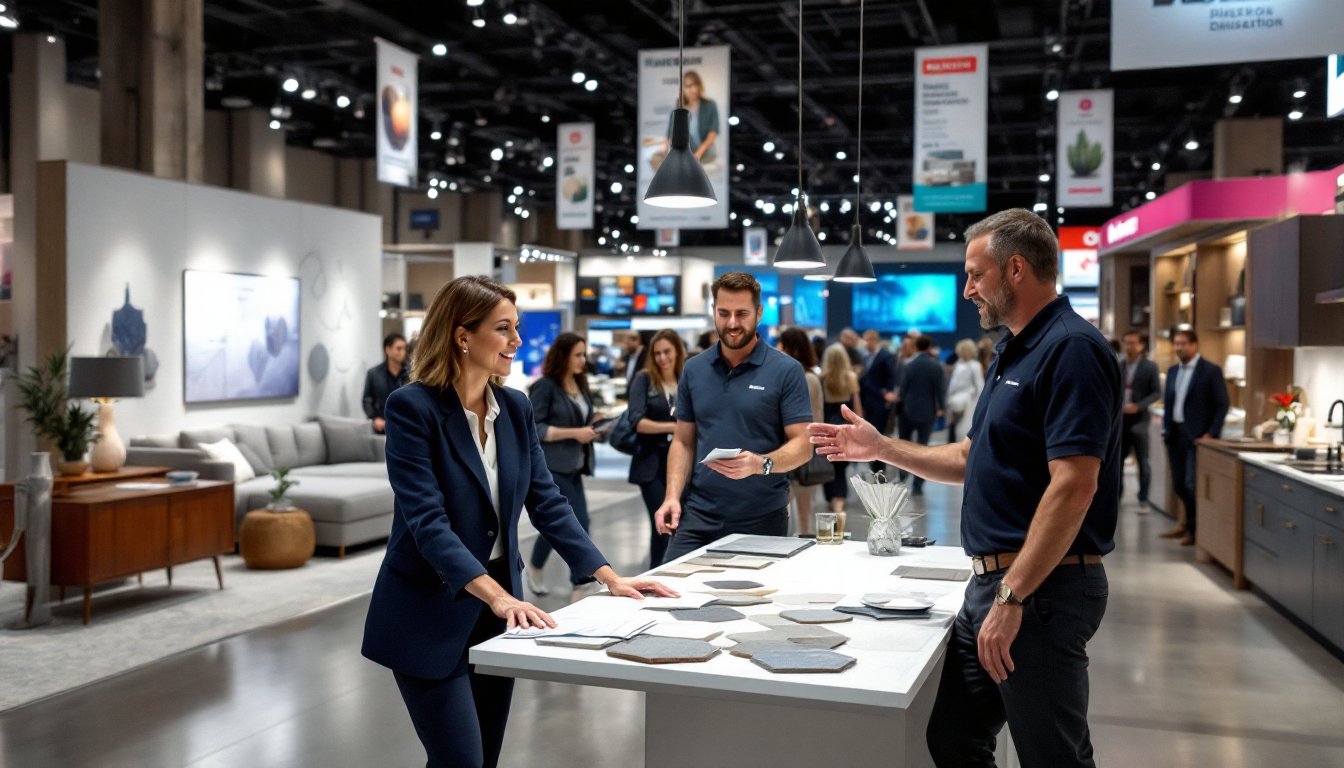

Interior design shows have evolved from niche trade gatherings into must-attend events for professionals, DIYers, and homeowners seeking the latest trends, materials, and suppliers. These exhibitions showcase everything from cutting-edge furniture and lighting to innovative building materials, color trends, and smart home integrations. Attending one offers direct access to manufacturers, live demonstrations, and networking opportunities that can transform how someone approaches their next renovation or build. Whether hunting for that perfect tile, comparing cabinet hardware, or learning about sustainable materials, these shows deliver hands-on insights that online research simply can’t match.
Key Takeaways
- Interior design shows offer hands-on access to materials, suppliers, and product launches that online research cannot provide, making them invaluable for DIYers and professionals planning renovations.
- Major events like Maison et Objet and Salone del Mobile showcase emerging trends and materials 18–24 months ahead, helping attendees avoid designs that quickly feel dated.
- Preparation is essential to maximizing your interior design show experience—download floor plans, flag key booths, bring project details, and wear comfortable shoes to handle the typical 15,000+ steps.
- Live demonstrations and educational seminars at interior design shows teach application techniques, code updates, and material specifications that directly improve project execution and contractor communication.
- Collecting physical samples, taking organized photos, asking technical questions, and scheduling appointments with key vendors turns an interior design show visit into a comprehensive sourcing and learning opportunity.
What Is an Interior Design Show and Why Attend?
An interior design show is a large-scale trade exhibition where manufacturers, designers, suppliers, and distributors showcase furnishings, finishes, fixtures, and materials for residential and commercial spaces. These events range from consumer-friendly expos to strictly trade-only shows requiring professional credentials.
Attendees gain access to product launches before they hit retail shelves, often with show-exclusive pricing or samples. Unlike browsing a big-box store, visitors can compare dozens of tile lines, examine actual wood veneers under different lighting, or test cabinet hardware mechanisms side-by-side. Many exhibitors bring full room vignettes or installed kitchens, allowing attendees to see materials in context rather than isolated on a shelf.
For DIYers planning a kitchen remodel or bathroom update, these shows offer direct conversations with product reps who understand technical specs, things like slip ratings on tile, VOC levels in finishes, or load capacities for floating shelves. Professionals such as contractors and designers attend to discover new suppliers, earn continuing education credits, and stay current on code-compliant products.
Most shows include seminars, workshops, and panel discussions covering topics from universal design principles to emerging trends in sustainable building. Some offer CEU credits for licensed tradespeople. The networking alone, meeting local suppliers, specialty fabricators, or niche distributors, can solve sourcing headaches that plague complex projects.
Top Interior Design Shows Around the Globe
Several major events dominate the international design calendar, each with its own character and focus.
Maison et Objet (Paris)
Held twice yearly in January and September at Paris Nord Villepinte, Maison et Objet blends interior design with lifestyle products, tabletop, and décor. The show attracts around 80,000 visitors and features exhibitors from over 50 countries. It’s particularly strong in furniture, lighting, textiles, and accessories.
The What’s New section highlights emerging designers and startups, while themed areas focus on sustainability, artisan craft, or specific material innovations like bio-based composites and recycled metals. Trade professionals make up the majority of attendees, but certain days open to design enthusiasts with advance registration.
Maison et Objet’s trend forecasting presentations, led by industry observers, offer color palettes and material directions 18–24 months ahead, valuable intel for anyone planning a major remodel who wants finishes that won’t feel dated in two years.
Milan Design Week and Salone del Mobile
Milan Design Week, anchored by Salone del Mobile each April, is the world’s largest and most influential furniture and design fair. Held at Fiera Milano in Rho, the main event showcases high-end residential furniture, kitchen systems, lighting, and office furnishings. Attendance routinely exceeds 300,000.
Satellite events across Milan, known as Fuorisalone, include installations, pop-ups, and brand showcases in historic buildings, showrooms, and public spaces. This citywide takeover offers a broader view of experimental design, often featuring student work, concept prototypes, and collaborations between designers and material scientists.
For those involved in custom millwork or high-end residential builds, Milan reveals advanced joinery techniques, new finishes (matte lacquers, textured laminates, engineered stone alternatives), and hardware systems unavailable through standard North American distributors. The SaloneSatellite section specifically highlights young designers under 35, often pioneering affordable applications of advanced manufacturing like CNC routing or 3D-printed components.
Even if someone can’t attend in person, Milan’s influence trickles into North American product lines within 12–18 months, so following show coverage helps anticipate what’ll hit local suppliers next year.
What to Expect at an Interior Design Show
Typical shows span multiple halls or convention floors, organized by product category: kitchen and bath, flooring, wall coverings, furniture, lighting, outdoor and landscape, smart home technology, and so on. Navigating efficiently requires a floor plan and a prioritized list, it’s easy to burn hours in one section and miss key exhibitors.
Most booths feature full-scale displays: installed cabinetry with working drawers, tiled shower enclosures with functional fixtures, or living room setups with layered lighting. Attendees can touch samples, compare weights, test drawer glides, and inspect edge profiles up close. Representatives often have technical data sheets, installation guides, and spec samples available.
Many shows host live demonstrations, tile cutting and layout, venetian plaster application, upholstery techniques, or smart lighting programming. These sessions reveal tricks that speed up DIY projects or help communicate expectations to hired contractors.
Educational programming varies widely. Larger shows offer CEU-accredited courses on topics like ADA-compliant bathroom design, NEC Article 680 (swimming pool and spa electrical), or IRC code updates for structural modifications. Others focus on design trends, color theory, or material sustainability certifications (Greenguard, FSC, Declare labels).
Trade-only shows require proof of business, contractor license, design credentials, or tax ID, while consumer shows welcome anyone. Some hybrid events restrict certain days or sections to trade visitors, opening to the public on weekends.
Expect crowds, especially mid-morning through early afternoon. Comfortable shoes are non-negotiable: attendees routinely log 15,000+ steps. Bring a tote or rolling bag for samples, literature, and swag. Vendors often hand out material samples (tile chips, laminate swatches, hardware samples) that prove invaluable when matching finishes later.
How to Maximize Your Interior Design Show Experience
Preparation separates productive show visits from overwhelming marathons. Start by downloading the exhibitor list and floor plan weeks in advance. Most shows offer mobile apps with search and schedule-building features. Flag must-see booths, plan a route, and allocate time blocks, kitchen and bath in the morning, flooring after lunch, for example.
Bring a project outline or rough plan with dimensions, photos, and existing finishes. When discussing a kitchen backsplash, having the cabinet color, countertop material, and grout preference on hand lets reps suggest compatible products immediately. Many exhibitors can pull samples or write quotes on the spot if given specifics.
Wear layers. Convention centers swing between overheated exhibit halls and frigid seminar rooms. Comfortable, closed-toe shoes with good arch support prevent fatigue. Keep hands free with a crossbody bag or backpack: juggling samples, a phone, and literature while taking notes is frustrating.
Take photos liberally, but organize them. Snap the booth name or product model card in each shot so it’s easy to identify later. Use phone folders or tags: “Tile Options,” “Cabinet Hardware,” “Lighting.” Collect business cards and jot notes on the back, “matte black available,” “12-week lead time,” “offers trade discount.”
Ask technical questions. Reps at these shows are often product engineers or trained specialists, not retail salespeople. Inquire about installation requirements (does this tile need a decoupling membrane?), compatibility (will this faucet work with my 1/2″ PEX supply lines?), or maintenance (what cleaner won’t damage this finish?).
Schedule appointments for key vendors if the show allows it. Major manufacturers often book 15- or 30-minute time slots for serious buyers or designers, offering undivided attention and access to extended sample libraries.
Attend at least one seminar or demo. Even if the topic seems tangential, these sessions often reveal application techniques, code updates, or product combinations that spark ideas.
Finally, review materials the same week. Samples pile up fast, and without notes, it’s tough to remember which hexagonal tile came from which vendor or whether that paint finish was zero-VOC. Sort samples, attach business cards, and flag follow-up items while the conversations are fresh.
Conclusion
Interior design shows pack more hands-on learning and sourcing power into a few days than months of online research. They connect DIYers and pros alike with the materials, tools, and expertise that turn ambitious projects into executed realities. With solid preparation and clear goals, these events become an irreplaceable resource for anyone serious about getting the details right.