
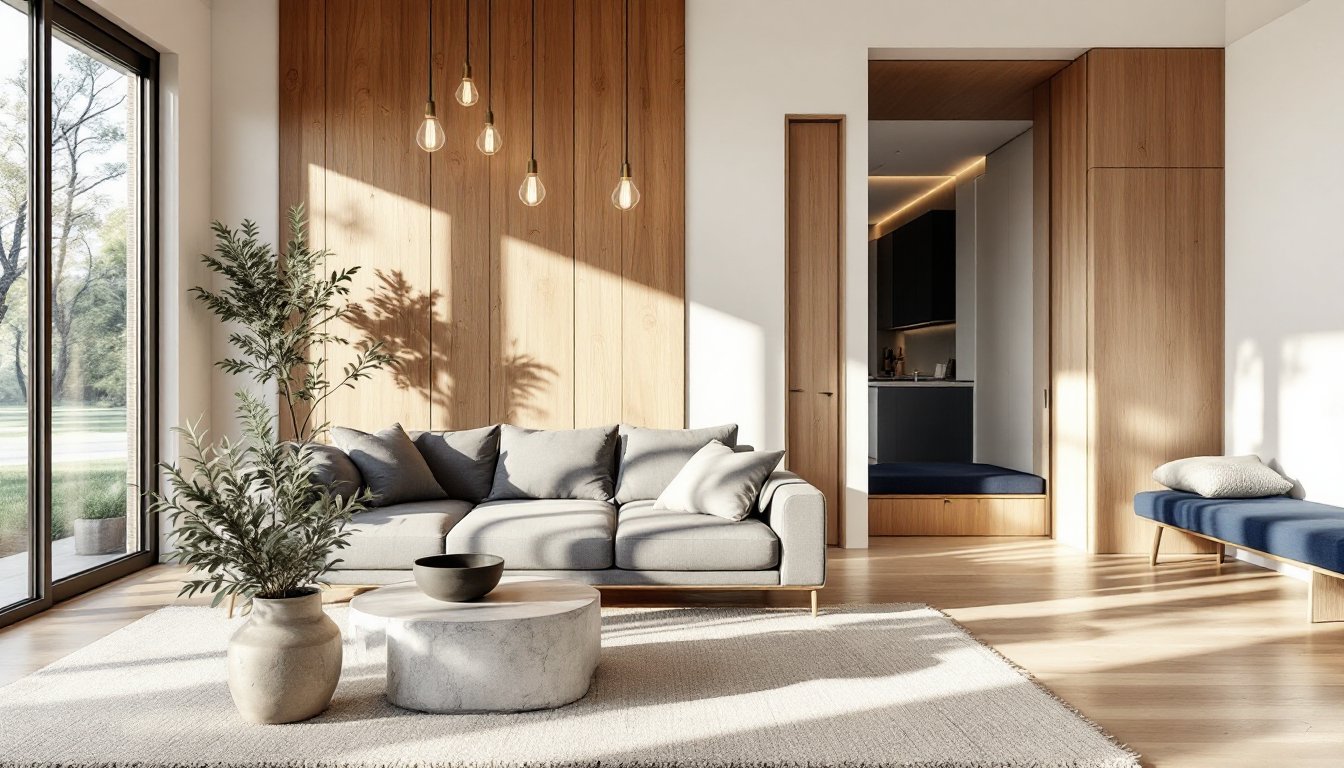

Experiential interior design moves beyond color palettes and furniture placement. It builds environments that engage the senses, trigger memories, and shape how people feel in a room. Unlike traditional decorating, which prioritizes how a space looks, experiential design focuses on how it makes someone feel when they walk through the door, and how that feeling lingers. For homeowners, this approach transforms everyday rooms into places with personality and purpose. It’s not about trends or Instagram-worthy staging. It’s about layering textures, sounds, scents, and stories into a home so each space becomes memorable and emotionally resonant.
Key Takeaways
- Experiential interior design prioritizes emotional and sensory engagement over aesthetics alone, transforming spaces into memorable environments that evoke specific feelings and memories.
- Sensory layering—combining texture, sound, scent, lighting, and visual elements—creates deeper engagement than traditional design approaches that focus only on how a room looks.
- Experiential design addresses modern living demands by creating adaptable spaces that serve multiple functions while maintaining emotional resonance throughout the day, season, and years of use.
- Narrative-driven planning, where each material and spatial element supports a specific story or purpose, strengthens the emotional connection homeowners feel to their spaces.
- Practical applications of experiential interior design shine in high-traffic and transitional areas like kitchens, bathrooms, entryways, and home offices where intentional material choices and sensory cues directly impact daily experience.
- Homeowners can apply experiential interior design principles without costly renovations by starting with the desired emotional experience, then selecting materials and finishes that authentically support that story.
What Is Experiential Interior Design?
Experiential interior design is the practice of creating spaces that deliver an emotional or sensory experience, not just a functional layout. It borrows heavily from hospitality and retail design, where designers craft environments that guide behavior, evoke moods, and leave lasting impressions.
At its core, this design philosophy treats a room as a narrative. Every material choice, lighting fixture, and spatial arrangement contributes to a story the homeowner wants to tell. A reading nook might use warm oak paneling, dimmable Edison bulbs, and a thick wool rug to evoke nostalgia and comfort. A home gym could feature concrete floors, industrial steel accents, and high-contrast lighting to create energy and focus.
The key difference from conventional interior design is intention. Traditional approaches optimize for aesthetics, resale value, or function. Experiential design optimizes for how a person interacts with the space over time. It asks: What should someone feel here? What should they remember? How does the space change from morning to night, or season to season?
This isn’t about recreating a hotel lobby at home. It’s about applying the same strategic thinking to residential spaces, using sensory cues, material contrast, and spatial flow to shape experience.
Why Experiential Design Matters More Than Ever in 2026
People spend more time at home than they have in decades, and that’s changed what they expect from interior spaces. Remote work, hybrid schedules, and an increased focus on mental health have all pushed homeowners to rethink how their environments affect daily life.
Generic, catalog-driven interiors don’t hold up under constant use. When a dining room doubles as a workspace and a kids’ craft station, it needs to feel adaptable and intentional. Experiential design addresses this by creating spaces that shift in mood and function depending on context, through adjustable lighting, modular furniture, or layered textiles that change the acoustic and visual feel of a room.
There’s also a broader cultural shift toward authenticity and personalization. Homeowners want spaces that reflect their values, memories, and routines, not just what’s trending on design blogs. Experiential design supports that by focusing on storytelling and emotional resonance rather than visual uniformity.
Finally, rising material costs and housing prices mean people are renovating less frequently. When a homeowner invests in a kitchen remodel or a basement finish, they want it to feel special and hold up emotionally over years of use. Experiential design delivers longevity through meaning, not just durability.
Core Principles of Creating Experiential Spaces
Sensory Layering: Beyond Visual Aesthetics
Experiential design engages all five senses, not just sight. Visual elements still matter, contrast, scale, color temperature, but they’re just the starting point.
Texture is one of the most underused tools in residential design. A polished concrete countertop feels cold and industrial. A honed limestone slab with a matte finish feels organic and warm. Pairing rough-sawn cedar planks with smooth plaster walls creates tactile variety that makes a room more engaging to move through.
Sound plays a bigger role than most DIYers realize. Hard surfaces, tile, glass, hardwood, reflect sound and make spaces feel livelier but also noisier. Adding textile wall panels, area rugs (at least 8′ × 10′ for a living room), or acoustic ceiling treatments can soften a room and make it feel calmer. A home office benefits from sound-dampening materials: a kitchen with friends over benefits from surfaces that let voices carry.
Scent and air quality shape how comfortable a space feels. Natural materials like unsealed wood, linen, or wool subtly affect a room’s smell. Ventilation matters, too, bathrooms and kitchens need proper exhaust fans (check local codes for CFM requirements). Avoid synthetic air fresheners: they mask problems instead of solving them.
Lighting is the most flexible sensory layer. Layered lighting, ambient (overhead recessed or flush-mount), task (under-cabinet LED strips, reading lamps), and accent (picture lights, uplighting), gives a homeowner control over mood. Dimmers are non-negotiable. Install them on all main lighting circuits. Use 2700K to 3000K color temperature for living spaces: it mimics incandescent warmth without the yellow cast.
Narrative and Emotional Connection
Every space should answer a simple question: What happens here, and how should it feel?
A mudroom isn’t just storage. It’s the transition between outside and inside, the place where a family sheds the day. Materials should be durable (porcelain tile or luxury vinyl plank for floors, semi-gloss paint for trim) but also welcoming. Hooks at kid height, a bench with a lifting seat for shoe storage, and warm lighting make the space functional and thoughtful.
A primary bedroom should support rest. That means blackout cellular shades, soft, layered textiles (a linen duvet, cotton percale sheets, a wool throw), and minimal visual clutter. Paint color matters less than sheen, use flat or matte finishes to absorb light and create softness.
Incorporating personal history strengthens emotional connection. Salvaged wood from a family barn can become floating shelves. Vintage tiles from a flea market can accent a bathroom backsplash. These elements work because they carry stories, not because they’re expensive or trendy.
Spatial flow also contributes to narrative. A long hallway with a window at the end draws people forward. An open kitchen with a low peninsula invites conversation without exposing clutter. Doorways, sightlines, and ceiling height changes all guide how someone moves through and experiences a home.
Real-World Applications: Where Experiential Interior Design Shines
Experiential design works best in spaces where people linger or transition.
Entryways and mudrooms benefit from intentional material choices that signal a shift. A change in flooring, from exterior concrete to interior tile or hardwood, marks the threshold. Built-in seating, hooks, and storage make the space usable, while warm paint tones and good lighting make it feel welcoming, not utilitarian.
Kitchens are high-traffic, multi-sensory spaces. Countertop material affects not just looks but sound (a butcher block muffles noise: quartz reflects it) and temperature (stone stays cool: wood feels warm). Lighting under cabinets should be 3000K LED strips with a high CRI (90+) so food colors look accurate. Open shelving for everyday dishes, closed storage for clutter, this balance keeps the space functional and visually calm.
Bathrooms can feel like retreats with the right approach. Heated floors (electric radiant mats under tile, wired to a programmable thermostat) add comfort. A rainfall showerhead changes the daily routine into something more intentional. Use 12″ × 24″ porcelain tile in matte or honed finishes for slip resistance and a spa-like aesthetic. Ventilation is critical, install an exhaust fan rated for the room’s square footage (typically 50–80 CFM for a standard bath) to prevent mold.
Home offices need adaptability. Adjustable task lighting, acoustic panels behind the desk, and a layout that separates work zone from background clutter all contribute to focus. Paint one wall a deeper, grounding tone (charcoal, forest green, navy) to create visual weight without closing in the room.
Basements and bonus rooms are blank slates. Use these spaces to experiment. A basement bar with reclaimed brick, Edison bulb pendants, and a concrete countertop sealed with a food-safe topcoat feels completely different from a kids’ playroom with rubber flooring, bright paint, and pegboard storage. Both are experiential, they just tell different stories.
For any project, start with the experience you want, then choose materials and finishes that support it. Don’t default to what’s trendy or readily available. If a finish doesn’t serve the story, skip it.
Conclusion
Experiential interior design isn’t reserved for boutique hotels or high-end commercial projects. Homeowners can apply the same principles, sensory layering, intentional material choices, and narrative-driven planning, to create spaces that feel personal, memorable, and emotionally satisfying. It takes more upfront thought than following a mood board, but the result is a home that works harder and feels better over time.