
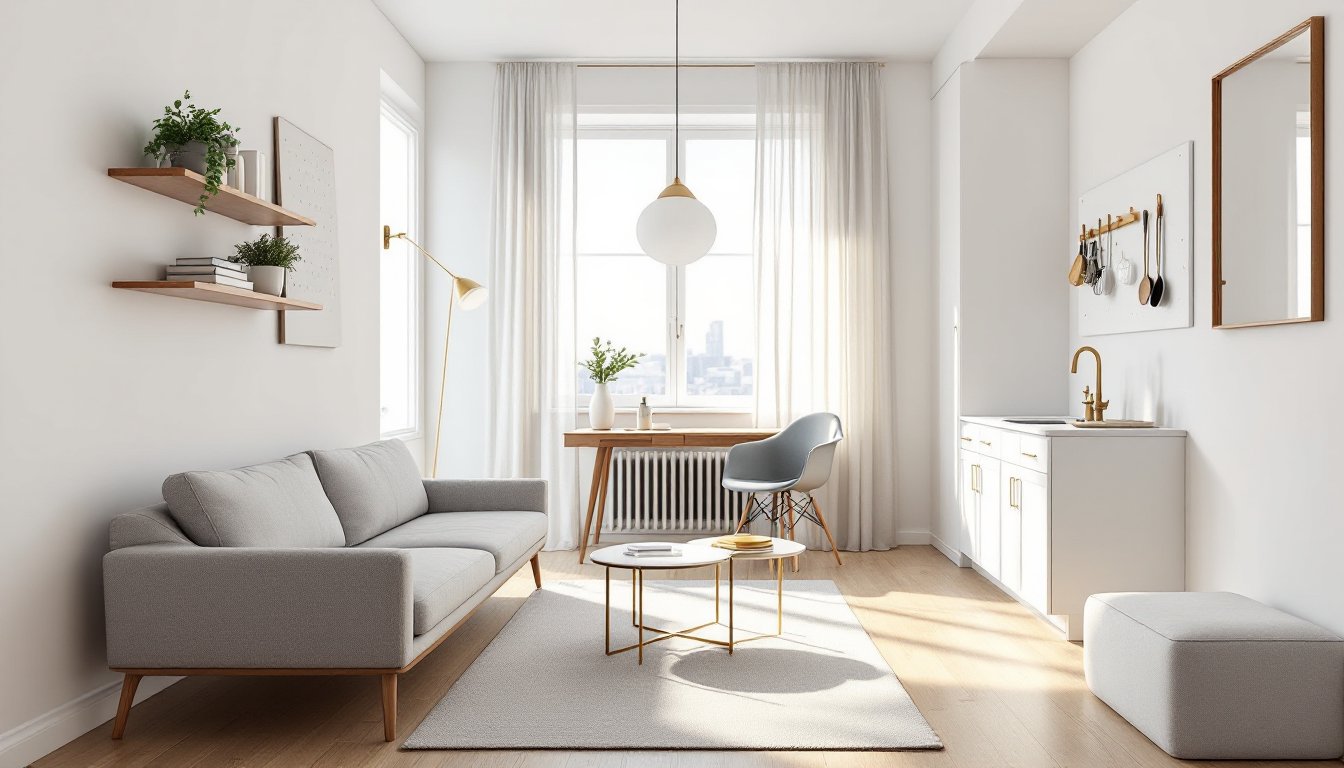

Small spaces don’t have to feel cramped or chaotic. With deliberate design choices and a focus on function, even a 400-square-foot studio or a narrow galley kitchen can feel comfortable, organized, and surprisingly spacious. The key isn’t wishful thinking or trendy Pinterest boards, it’s about making smart structural and aesthetic decisions that work with the room’s limitations instead of fighting them. This guide walks through the practical principles, furniture strategies, and layout tricks that turn tight quarters into livable, attractive spaces.
Key Takeaways
- Interior design for small spaces requires intentionality—every piece must justify its footprint by serving multiple functions or fitting into vertical space.
- Light, neutral color palettes, strategic mirrors, and layered lighting are the fastest, most affordable ways to make small rooms feel larger and more open.
- Choose leggy, wall-mounted, and multi-functional furniture like nesting tables and storage ottomans to save floor space without sacrificing style or comfort.
- Maximize storage with under-bed bins, door-mounted organizers, floating shelves, and furniture with hidden compartments to eliminate visible clutter.
- Float furniture away from walls, define zones with rugs and low shelving, and maintain clear 24–30 inch pathways to create flow and make small spaces feel less cramped.
- Edit ruthlessly before bringing new items into a small space—remove décor without purpose and focus on pieces that contribute to both functionality and visual continuity.
Why Small Space Design Requires a Different Approach
In larger homes, furniture and decor can spread out without much consequence. A bulky sectional, oversized coffee table, or freestanding bookshelf might fill space comfortably. But in a small room, every piece competes for floor area, sightlines, and breathing room.
Small spaces demand intentionality. Each item needs to justify its footprint, either by serving multiple functions, fitting into underused vertical or corner space, or contributing to the visual flow of the room. Standard design rules (like the “rug should extend beyond the furniture” guideline) sometimes don’t apply when square footage is limited.
Another key difference: small rooms amplify mistakes. A dark wall color that would add drama to a spacious living room can make a 10×10 bedroom feel like a cave. A cluttered countertop that’s merely annoying in a big kitchen becomes a deal-breaker in a compact galley. The margin for error shrinks, so planning and precision matter more.
Essential Principles for Maximizing Every Square Foot
A few core principles guide effective small-space design, regardless of the room type.
Vertical thinking: When floor space is scarce, look up. Wall-mounted shelving, pegboards, and tall bookcases (anchored to studs with appropriate hardware) take advantage of unused height. In kitchens, open shelving or ceiling-height cabinets provide storage without eating into walkways.
Multi-functionality: Furniture that serves two or more purposes earns its keep. A storage ottoman doubles as seating and a place to stash blankets. A fold-down wall desk provides workspace without a permanent footprint. Murphy beds free up living area during the day.
Visual continuity: Keeping flooring, wall color, or furniture finishes consistent across a small space reduces visual interruptions. The eye travels farther without breaking at seams or color changes, which creates a sense of openness.
Edit ruthlessly: Every item in a small space should have a clear purpose or bring genuine enjoyment. Decor for decor’s sake, tchotchkes, extra throw pillows, unused gadgets, adds clutter without value. Before bringing something new in, consider what can go out.
Scale matters: Oversized furniture or art can actually work in small rooms if chosen carefully, but proportion is critical. A single large piece can anchor a space better than several small items that fragment the visual field.
Smart Furniture Choices That Save Space Without Sacrificing Style
Furniture selection makes or breaks a small-space layout. Here’s what works.
Leggy furniture: Sofas, chairs, and tables with exposed legs (rather than skirted bases or solid sides) allow light and sightlines to pass underneath. This visual trick makes rooms feel less crowded. Mid-century modern and Scandinavian styles excel here.
Nesting and stacking pieces: Nesting tables, stackable stools, and collapsible chairs provide flexibility. Pull them out when needed, tuck them away when not.
Slim profiles: A sofa with a shallow seat depth (30–32 inches instead of the standard 36–40 inches) saves precious floor space without sacrificing comfort for most users. Same goes for narrow console tables (10–12 inches deep) behind sofas or in hallways.
Wall-mounted or floating options: Floating vanities, desks, and shelves eliminate bulky bases and keep floor space open for cleaning and movement. They also make a room feel less anchored and heavy.
Built-ins when possible: If budget and skill allow, custom built-ins maximize awkward corners, alcoves, or under-stair areas. A DIY bookshelf built between wall studs (16 inches on center in most homes) adds storage without protruding into the room. For renters or those avoiding permanent changes, modular shelving systems like tension-pole units work similarly.
Avoid furniture with excessive ornamentation, thick arms, or chunky frames. Clean lines and compact construction preserve visual and actual space.
Color and Light Strategies to Make Rooms Feel Larger
Color and lighting are the fastest, most affordable ways to open up a small room.
Light, neutral palettes: Soft whites, warm grays, beiges, and pale pastels reflect more light than dark colors, making walls recede visually. This doesn’t mean every small space must be stark white, off-whites like Alabaster or Swiss Coffee add warmth while keeping things bright.
Monochromatic schemes: Using varying shades of a single color (e.g., light gray walls, medium gray furniture, darker gray accents) reduces visual clutter and creates a cohesive, airy feel.
Strategic accent walls: A darker or bolder color on one wall can add depth without overwhelming the space. Choose the wall farthest from the entry or a feature wall behind a bed or sofa.
Maximize natural light: Keep window treatments minimal. Sheer curtains or top-down/bottom-up shades provide privacy without blocking daylight. Mount curtain rods close to the ceiling and extend them beyond the window frame so fabric stacks off the glass, letting in maximum light.
Layer artificial lighting: Small rooms need more than one overhead fixture. Combine ambient lighting (ceiling or wall-mounted), task lighting (desk lamps, under-cabinet strips), and accent lighting (picture lights, LED tape behind shelves). Multiple light sources eliminate dark corners and create dimension.
Mirrors: Positioning a large mirror opposite a window reflects natural light and doubles the visual depth of a room. Mirrored closet doors or a full-length leaning mirror serve the same purpose without permanent installation.
Clever Storage Solutions That Keep Clutter at Bay
In small spaces, visible clutter shrinks the room faster than poor furniture choices. Effective storage keeps surfaces clear and essentials accessible.
Under-bed storage: Beds sit 12–18 inches off the floor, wasting prime real estate. Use rolling bins, vacuum-sealed bags, or bed frames with built-in drawers. Bed risers (widely available and inexpensive) can add a few extra inches of clearance for larger bins.
Vertical organizers: Door-mounted racks (inside closets or on bathroom doors) hold shoes, cleaning supplies, or pantry items. Wall-mounted pegboards in kitchens, workshops, or entryways keep tools and gear visible and off counters.
Furniture with hidden storage: Ottomans, benches, and coffee tables with lift-top compartments hide remotes, magazines, or linens. Hollow furniture (like storage cubes that double as seating) maximizes dual use.
Closet systems: A well-organized closet with adjustable shelving, double-hang rods, and drawer inserts can double usable storage. DIY kits from big-box retailers are affordable and renters can remove them when moving.
Kitchen-specific tricks: Magnetic knife strips, adhesive hooks inside cabinet doors, tiered shelf risers, and pull-out pantry drawers turn dead space into functional storage. Lazy Susans in corner cabinets prevent items from getting lost in deep, dark corners.
Use the backs of doors and inside cabinet panels: Adhesive hooks, slim racks, or hanging organizers add storage without requiring drilling or major installation.
Layout Tricks to Create Flow and Functionality
How furniture is arranged affects how a space feels and functions.
Float furniture away from walls: Pushing everything against the perimeter can make a room feel smaller and less inviting. Floating a sofa a few inches off the wall or angling a chair creates breathing room and defines zones.
Define zones in open layouts: Use rugs, lighting, or low shelving to visually separate living, dining, and sleeping areas in studios or open-plan spaces. A bookshelf perpendicular to a wall can act as a room divider without blocking light.
Create clear pathways: Maintain at least 24–30 inches of clearance for walkways. Furniture should guide movement, not obstruct it. In tight kitchens, ensure the work triangle (sink, stove, fridge) allows easy movement without backtracking.
Avoid blocking windows and doors: Keep sightlines and natural light unobstructed. Even a small piece of furniture in front of a window can darken and shrink a room.
Anchor with area rugs: In small rooms, a single appropriately sized rug (with at least the front legs of furniture on it) unifies the layout. Too small a rug fragments the space: too large can overwhelm.
Corner solutions: Corners often go unused. A corner desk, triangular shelf, or angled bench turns dead space into functional area. L-shaped furniture fits snugly and maximizes seating or surface area without dominating the center of the room.
Conclusion
Small-space design isn’t about making do, it’s about making deliberate, informed choices that prioritize function, flow, and visual clarity. With the right furniture, smart storage, and thoughtful layouts, compact rooms can feel just as livable and stylish as sprawling floor plans. The challenge is real, but so are the solutions.