

Masculine Interior Design: A Comprehensive Guide
Have you ever walked into a space that felt distinctly masculine? You know, with that perfect blend of rugged charm and refined aesthetics? Welcome to the world of masculine interior design, where every corner tells a story and each piece of furniture has character. In today’s guide, we’ll jump into the principles that define this powerful style. Let’s transform our homes into spaces that resonate with strength and sophistication. Ready to make our interiors not just a reflection of us, but a testament to modern masculinity? Let’s get started.
What Is Masculine Interior Design?
Masculine interior design is more than just a collection of heavy furniture and dark colors. It embodies a lifestyle, reflecting confidence and a sense of purpose. It’s about creating spaces that evoke strength while remaining comfortable and inviting. Think bold lines, raw materials, and functional elegance. When we talk about masculine interiors, we investigate into a narrative that combines utility with aesthetics, creating environments that truly resonate with our identities.
Key Characteristics of Masculine Interiors
Understanding masculine interiors begins with recognizing its key characteristics. Here are some standout features:
Color Palettes that Emphasize Masculinity
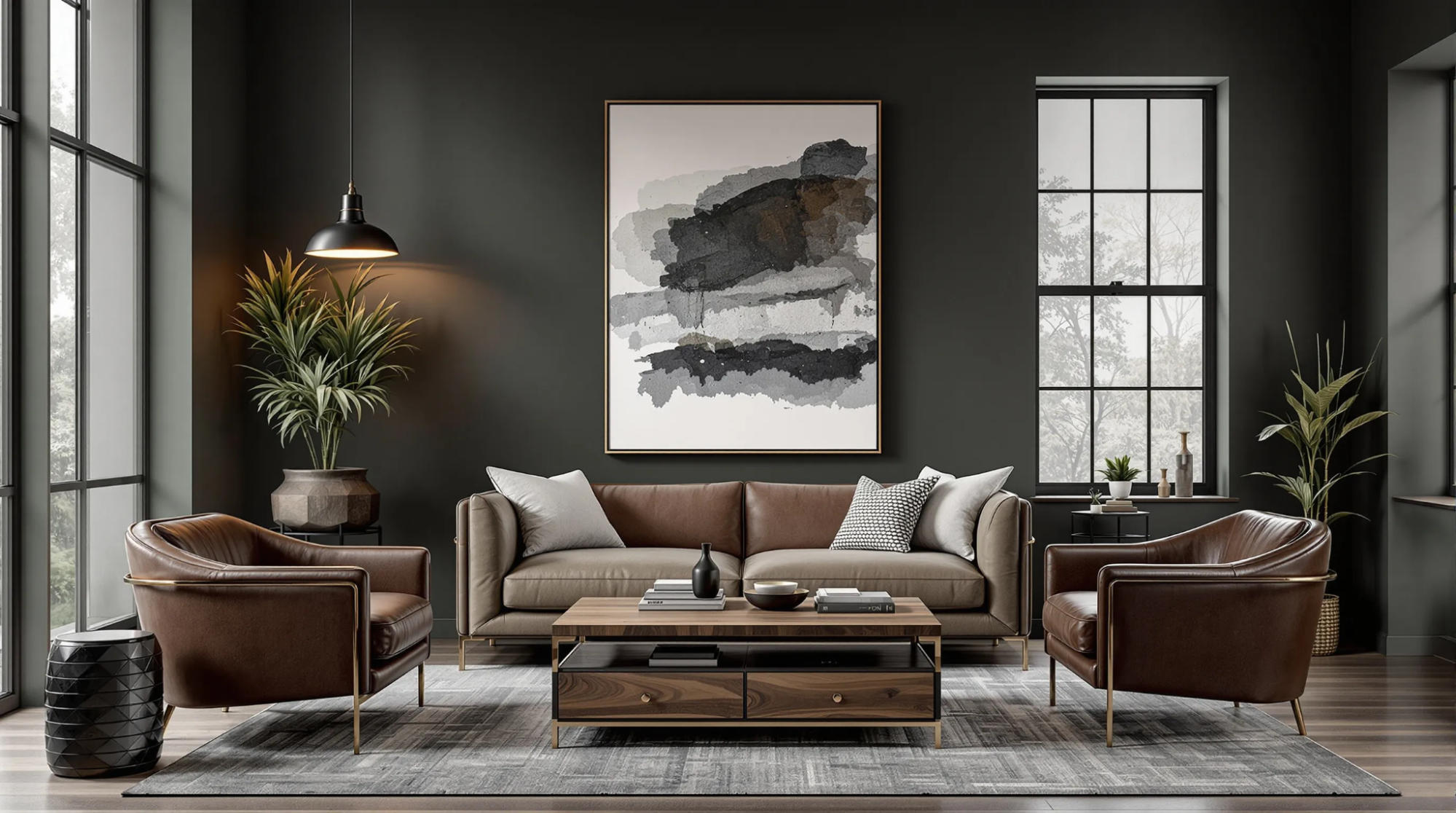
Dark and muted shades often dominate masculine design. Colors like navy blue, charcoal gray, deep greens, and rich browns are prevalent, exuding a sense of strength and grounding. These colors can be paired with lighter tones to create contrast, but the base tends to stay on the darker side, drawing upon nature’s ruggedness.
Textures and Materials in Masculine Design
We often find a mix of hard and soft textures. Materials such as leather, metal, and wood are staples. They offer a ruggedness that feels both sophisticated and lived-in. Textured fabrics can soften the overall look without compromising on the masculine vibe, allowing us to enjoy the best of both worlds.
Incorporating Furniture Styles
When it comes to furniture, we’re looking for pieces that not only look good but are also functional. Think of sturdy, minimalist designs that are built to last. Industrial-style furnishings made from reclaimed wood or metal play well in a masculine space. We can also explore contemporary pieces with clean lines and geometric shapes. Eventually, our choices should tell a story, creating a narrative that’s inviting yet powerful.
Creating a Masculine Atmosphere Through Lighting
Lighting plays a crucial role in setting the tone for any room. For us, the goal is to aim for a warm yet focused atmosphere. Using statement fixtures such as industrial-style pendant lights or sleek floor lamps can significantly enhance the aesthetic. We might also consider dimmer switches to adjust the brightness according to our mood, creating an environment that can be both energizing and relaxed.
Tips for Balancing Masculine and Feminine Elements
Integrating feminine touches can elevate a masculine space, softening its edges and making it more inviting. Consider incorporating artworks or textiles that add a pop of color. We can introduce curves through furniture or accessories to create visual balance. The idea here is not to create a battle of the sexes but rather a harmonious blend that reflects our diverse tastes.