
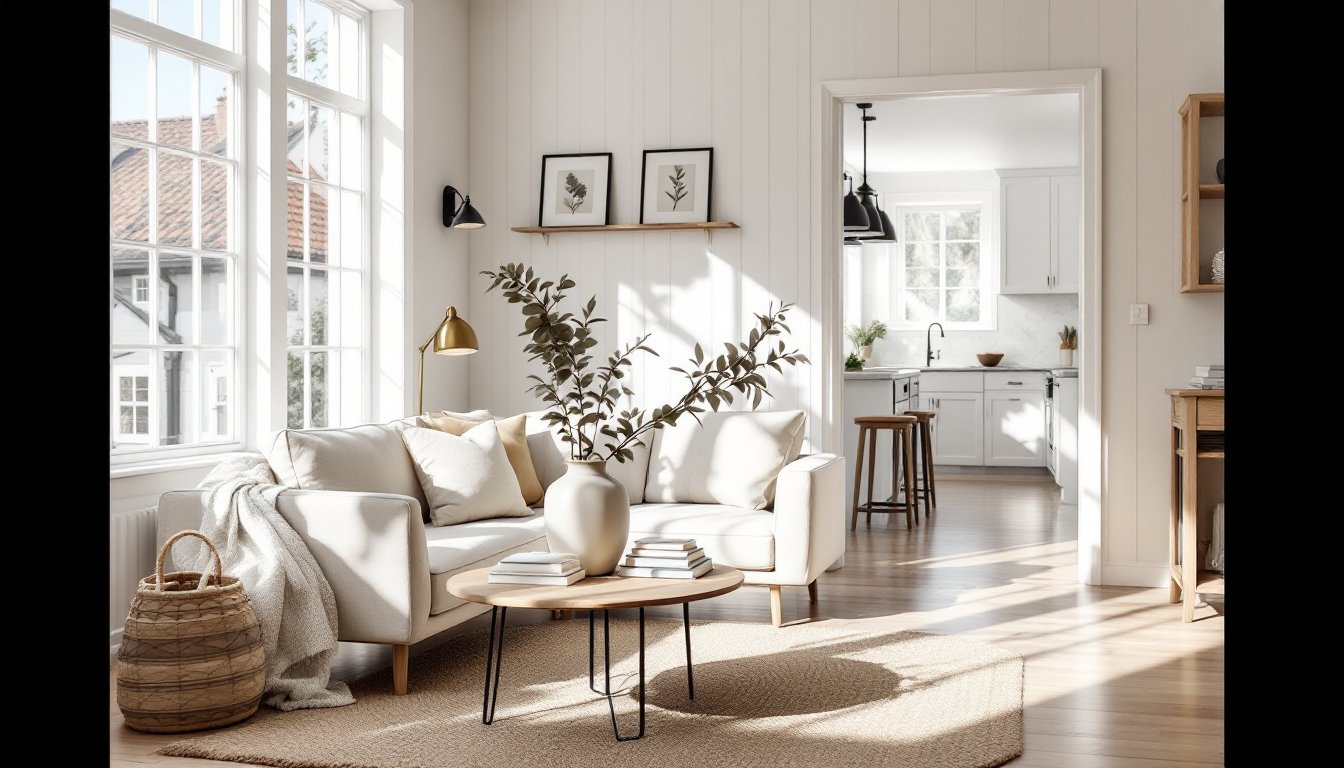

Shea and Syd McGee didn’t follow a conventional path to design stardom. They built Studio McGee from a basement side hustle into one of the most influential interior design firms in America, without architectural degrees or family connections. Their approachable, livable aesthetic landed them a Netflix show, bestselling product lines at major retailers, and millions of devoted followers. But what makes Studio McGee design so compelling isn’t just its polished Instagram appeal. It’s the practical blend of classic architecture, warm modern furnishings, and livable layouts that translate well beyond their Utah headquarters into homes across every region and budget.
Key Takeaways
- Studio McGee interior design combines warm neutrals, natural textures, and architectural details like board-and-batten to create timeless transitional spaces that work for real families, not just Instagram photos.
- The Studio McGee aesthetic relies on editing and thoughtful material choices rather than expensive custom work, making their style accessible through paint upgrades, DIY architectural details, and strategic lighting improvements.
- You can achieve Studio McGee design on any budget by investing in key foundational pieces like quality sofas and dining tables while saving money on seasonal trends and accent items.
- Studio McGee’s product collaborations with Target and McGee & Co. democratize their design approach, offering coordinated furniture and décor at various price points for homeowners seeking professional styling without a full design consultation.
- Layered lighting, scaled furniture, and functionality-first thinking are core principles of Studio McGee interior design that prioritize how people actually live while maintaining visual appeal.
- Board-and-batten paneling, coffered ceilings, and substantial trim work add architectural character to spaces as weekend DIY projects without requiring permits or major structural remodeling.
Who Is Studio McGee? The Story Behind the Design Phenomenon
Shea McGee started designing interiors in 2014 after leaving a PR career, teaching herself through books, blogs, and trial projects. Her husband Syd McGee joined full-time shortly after, handling business operations while Shea led creative direction. They launched Studio McGee as a small design consultancy in Los Angeles before relocating to Lehi, Utah, where they built their headquarters and expanded into a full-service firm.
Their early work focused on residential projects across California and the Mountain West, building a portfolio marked by neutral palettes, natural textures, and restrained detailing. Shea’s ability to share process photos and finished spaces on Instagram attracted a following that grew faster than traditional design PR ever could. By 2017, they’d built enough momentum to launch their first product collaboration.
What sets the McGees apart is their transparency about the business side of design. Syd openly discusses project management, budgeting, and scaling a creative firm, topics most designers avoid. This dual-founder structure lets them produce high-volume work without sacrificing quality control, a model that helped them transition from boutique firm to national brand.
The Studio McGee Aesthetic: Defining Their Signature Style
Studio McGee’s work sits at the intersection of modern farmhouse and transitional design, blending traditional architectural details with clean-lined furnishings. Their projects rarely feel overly rustic or aggressively contemporary. Instead, they lean on warm neutrals, layered textures, and edited accessorizing to create rooms that photograph beautifully but still function for families with kids, pets, and real daily routines.
Color palettes center on whites, creams, warm grays, and earth tones, shades like greige, soft taupe, and muted sage. Accent colors appear sparingly, usually through textiles or natural materials rather than painted surfaces. This restraint keeps spaces feeling cohesive across open floor plans, a critical consideration in the modern American home where kitchen, dining, and living areas flow together.
Architectural details play a major role. Studio McGee projects frequently feature board-and-batten paneling, shiplap accent walls, coffered ceilings, and substantial trim work. These aren’t structural elements, they’re cosmetic upgrades that add depth and visual interest without requiring permits or major remodeling. A skilled DIYer can install board-and-batten using 1×4 or 1×6 nominal pine boards (actual dimensions 3/4″ x 3.5″ or 3/4″ x 5.5″), a nail gun, and paint.
Key Elements of Studio McGee’s Design Philosophy
Several design principles define Studio McGee’s approach across projects:
- Layered lighting: They avoid relying on a single overhead fixture, instead combining recessed cans, pendant lights, sconces, and table lamps. This creates ambient, task, and accent lighting that adapts to different times of day.
- Natural materials: Wood tones, linen upholstery, jute rugs, and stone surfaces add warmth and texture. These materials age well and hide wear better than synthetic alternatives.
- Edited accessorizing: Shelves and surfaces are styled with intention, a few quality pieces rather than cluttered collections. This makes spaces easier to maintain and photograph.
- Scale and proportion: Furniture is sized appropriately for rooms. Oversized sectionals don’t crowd small living rooms: dining tables leave clearance for chairs to pull out comfortably (plan for 36 inches between table edge and wall).
- Functionality first: Pretty storage solutions, durable fabrics, and practical layouts take priority. Design decisions account for how people actually live, not just how rooms look in photos.
Their aesthetic works particularly well in homes built after 2000, which often feature open plans, vaulted ceilings, and large windows, architectural bones that support their light, airy approach.
From Dream Home Makeover to Design Empire: Their Rise to Fame
Studio McGee’s trajectory accelerated in 2020 when Netflix launched Dream Home Makeover, a reality series following their design projects. Unlike high-drama renovation shows, the series focuses on process: client consultations, material selections, construction challenges, and final reveals. It resonated with viewers who wanted practical takeaways, not manufactured conflict.
The show’s success expanded their audience beyond design enthusiasts to mainstream homeowners considering remodels. Episodes transparently address budgets, timelines, and trade-offs, covering topics like choosing between custom cabinetry and semi-custom options, or when to save money with DIY finishes versus hiring professionals.
Before Netflix, the McGees had already built substantial brand equity through their blog, social media, and an early book, Make Life Beautiful. But the show gave them reach that translated directly into product sales. Their collaborations with retailers saw immediate spikes in demand following episode premieres, validating their design philosophy’s broad appeal.
Their growth strategy combined traditional design services with scalable product development. Most design firms struggle to grow beyond a certain project volume because creative work doesn’t scale easily. By licensing their aesthetic through furniture and décor lines, Studio McGee created revenue streams that didn’t require Shea’s direct involvement in every decision.
How to Bring Studio McGee Style Into Your Own Home
Achieving Studio McGee’s look doesn’t require a full remodel or designer budget. Their aesthetic relies more on thoughtful editing and material choices than expensive custom work. Start by identifying which rooms need the most impact and focus resources there.
Paint is the fastest transformation. Studio McGee frequently uses whites and warm neutrals on walls, shades that read clean without feeling stark or cold. Test samples in your space across different lighting conditions: north-facing rooms may need warmer tones to avoid feeling gray. Most paint covers approximately 350-400 square feet per gallon, depending on surface texture and application method.
Architectural details add character without major construction. Board-and-batten in a dining room or primary bedroom creates texture and visual height. Install vertical boards at consistent spacing (typically 12-16 inches on center), secure them to studs where possible, fill nail holes with spackle, caulk seams, and finish with semi-gloss paint. This is a weekend project for most DIYers with basic carpentry skills.
Lighting upgrades deliver significant impact. Replace builder-grade fixtures with pieces that have presence, oversized pendants over islands, sculptural chandeliers in dining areas, or sconces flanking bathroom mirrors. Ensure new fixtures are compatible with existing electrical boxes and weight limits (most standard boxes support fixtures up to 50 pounds: heavier pieces require rated support).
Accessible Ways to Achieve the Look on Any Budget
Studio McGee style scales across price points through smart prioritization:
- Invest in key pieces: A quality sofa in a neutral fabric, a solid wood dining table, or a well-made area rug form the foundation. These items see heavy use and set the tone for a room.
- Save on trends: Accent pillows, throws, and small décor items cycle more frequently. Buy these from budget-friendly sources and swap them as tastes change.
- DIY architectural details: Board-and-batten, picture frame molding, and open shelving are all achievable with rental tools and patience. Materials cost a fraction of hiring finish carpenters.
- Shop secondhand for variety: Vintage or thrifted pieces add character and uniqueness. Sand and refinish wood furniture, reupholster chairs, or paint outdated finishes.
- Focus on paint and lighting first: These two changes transform spaces more dramatically than new furniture. A fresh coat and better light fixtures can make existing pieces look intentional.
Avoid trying to replicate entire rooms from photos. Instead, identify the underlying principles, neutral palette, natural textures, edited styling, and apply them with what’s available locally and within budget.
Studio McGee’s Product Lines and Collaborations
Studio McGee’s retail partnerships democratize their design aesthetic, making it accessible beyond their client base. Their Target collaboration (Threshold designed with Studio McGee) launched in 2020 and includes furniture, bedding, rugs, lighting, and décor. Price points range from under $20 for accessories to several hundred dollars for upholstered furniture, competitive for the quality and design.
The Target line focuses on transitional pieces in neutral tones: linen-blend sofas, cane-detailed cabinets, ceramic table lamps, and textured throw pillows. Quality varies by category. Upholstered items generally hold up well for the price, though they won’t match custom furniture durability. Case goods (dressers, nightstands) use engineered wood and veneer, typical for this price range.
In 2021, they expanded into McGee & Co., their own e-commerce site offering higher-end furnishings and décor. This line includes exclusive designs and curated pieces from other manufacturers, targeting customers willing to invest more for unique items and better construction. Expect solid wood frames, performance fabrics, and more distinctive silhouettes than mass-market collaborations offer.
They’ve also launched home and lifestyle products including paint collections (developed with Clare), rugs, and seasonal décor. The paint line simplifies color selection by offering pre-curated palettes that coordinate across rooms, helpful for DIYers overwhelmed by endless options at big-box stores.
When considering Studio McGee products, evaluate them like any furniture purchase: check construction details, read reviews for real-world durability, and compare prices to similar items. Their collaborations offer good value for the design aesthetic, but they’re not always the cheapest option in a category. The advantage is cohesive styling that’s been professionally edited, worth paying for if it prevents costly mistakes or returns.