
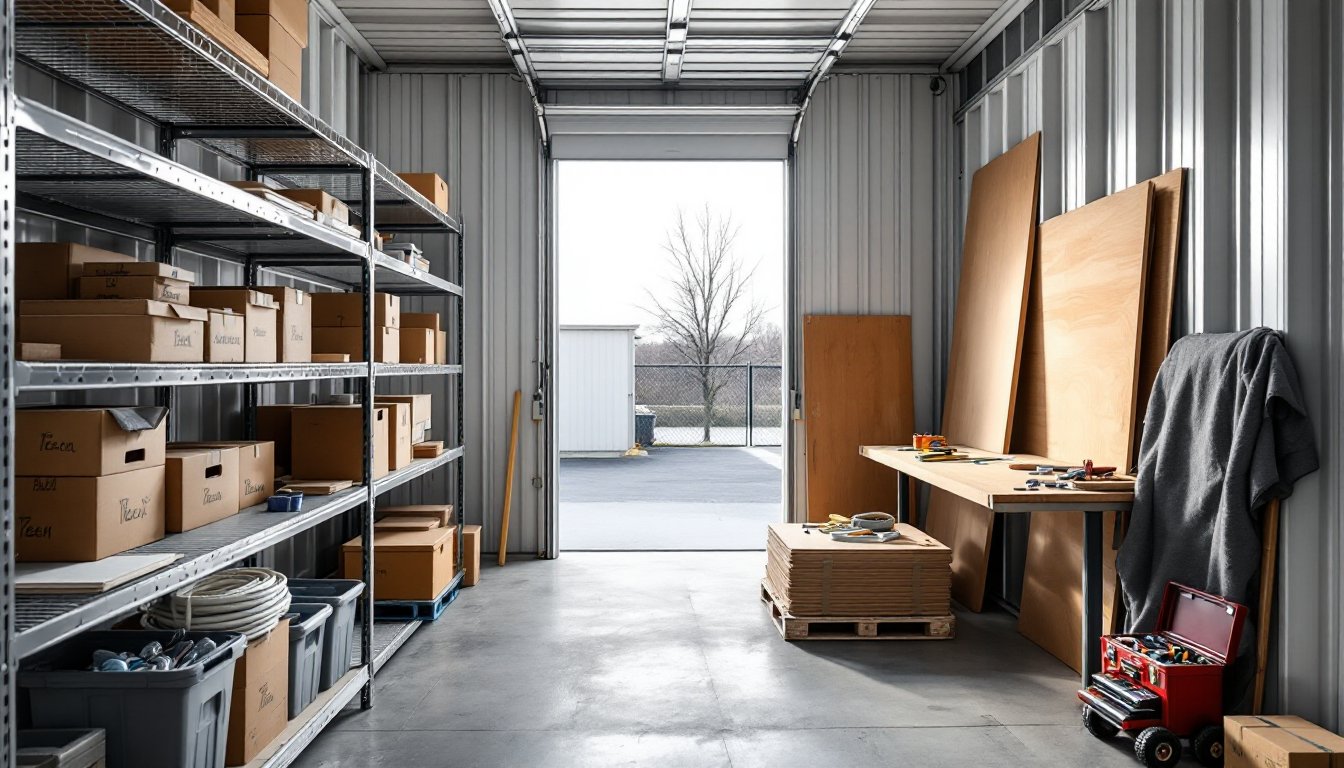

Finding extra space in Leominster doesn’t mean moving to a bigger house or purging half the garage. For homeowners juggling seasonal gear, renovation materials, or workshop overflow, local storage solutions offer a practical way to reclaim square footage without losing what matters. Whether someone’s storing lumber between projects, winter tires, or an estate’s worth of family heirlooms, Leominster’s storage market has evolved to meet the needs of DIYers, renovators, and anyone short on room. This guide walks through what’s available locally, how to choose the right facility, what pricing looks like, and how to make every cubic foot count.
Key Takeaways
- Leominster storage solutions offer a practical alternative to moving or downsizing, providing convenient access to seasonal equipment, renovation materials, and workshop overflow within the local area.
- Choose between standard self-storage units and climate-controlled options depending on your needs; climate control costs 20–40% more but protects sensitive items like wood, electronics, and heirloom furniture from New England’s temperature swings.
- Pricing for Leominster storage units ranges from $40–60/month for 5×5 units to $250–350/month for 10×30 units, with month-to-month flexibility and discounts often available for long-term commitments.
- Prioritize facilities with 24/7 access, video surveillance, gated entry, and on-site management to ensure security and convenient access during renovations or project work.
- Maximize storage space by using uniform boxes, installing metal shelving units, disassembling furniture, creating an aisle for access, and keeping an inventory to prevent wasted time and money.
Why Leominster Residents Choose Local Storage Solutions
Leominster sits at the crossroads of Worcester County, where older Colonial-era homes often lack basements or crawlspaces, and even newer builds prioritize open floor plans over storage closets. Add in the region’s harsh winters, where snow blowers, shovels, and road salt hog garage space for six months, and it’s clear why storage facilities stay busy year-round.
Local storage makes sense for a few specific reasons. Proximity matters when someone needs to grab tools mid-project or swap out seasonal equipment. Driving fifteen minutes to a Leominster facility beats a forty-minute haul to Worcester, especially when gas and time add up. Many Leominster residents also prefer keeping belongings within city limits for ease of access during renovations, estate transitions, or business inventory overflow.
Security and accountability weigh heavily, too. Local facilities often have on-site management, gated access, and surveillance systems that give renters more confidence than leaving a trailer parked in a driveway. For contractors storing equipment or homeowners stashing valuables during a kitchen remodel, that peace of mind is non-negotiable.
Finally, Leominster’s storage options have kept pace with demand. Facilities now offer month-to-month leases, online payment portals, and flexible unit sizes that older, out-of-town warehouses can’t match. For anyone who’s ever needed to store just a pallet of tile or a single bedroom’s worth of furniture, that flexibility is the difference between a good solution and an expensive headache.
Types of Storage Options Available in Leominster
Leominster’s storage landscape breaks down into a few core categories, each suited to different needs and budgets. Knowing the distinctions helps renters avoid paying for features they won’t use, or worse, skimping on protection that could cost them later.
Self-Storage Units
Standard self-storage units are the backbone of the industry. These drive-up or interior-access spaces range from 5×5 lockers (about the size of a walk-in closet) to 10×30 units that can swallow a three-bedroom house’s worth of furniture. Most Leominster facilities offer ground-floor units with roll-up doors, making it easy to load plywood sheets, appliances, or stacks of drywall without navigating stairs or elevators.
Interior units sit inside a larger building, accessed via hallways. They’re typically cheaper and better insulated, but loading bulky items like a workbench or motorcycle requires a dolly and some patience. Drive-up units cost more but save time and effort, critical when someone’s moving a table saw or fifty bags of concrete mix.
Unit sizes follow a fairly standard progression:
- 5×5 or 5×10: Seasonal decorations, boxes, small tools, or a couple of bicycles.
- 10×10: Contents of a one-bedroom apartment, including furniture and boxed belongings.
- 10×15 or 10×20: Two-bedroom home, workshop equipment, or contractor inventory.
- 10×30: Multi-bedroom household, vehicle storage, or small business stock.
Most facilities allow renters to stack vertically, so using sturdy metal shelving units (not cheap plastic racks) can double usable space. Just keep weight distribution in mind, overloading upper shelves creates a tipping hazard, especially in units with uneven concrete floors.
Climate-Controlled Storage
Climate-controlled units maintain temperature and humidity within a set range, usually 55–80°F and 30–50% relative humidity. They cost 20–40% more than standard units, but they’re essential for materials and belongings that react to Leominster’s temperature swings.
Wood, for example, expands and contracts with humidity. Storing finish-grade hardwood or veneered plywood in a non-climate unit through a New England summer can lead to warping, splitting, or glue failure. Same goes for electronics, upholstered furniture, photographs, and anything with fabric or leather. Even paint and adhesives degrade faster in extreme heat or cold.
Climate control isn’t necessary for metal tools, PVC pipe, or everyday household items that can handle temperature flux. But if someone’s storing heirloom furniture between estate sales, musical instruments, or a collection of vintage records, the extra cost is cheap insurance against costly damage.
Some Leominster facilities also offer heated-only units, a middle-ground option that prevents freezing without full humidity control. These work well for workshop overflow or seasonal equipment that just needs to stay above 32°F.
How to Choose the Right Storage Facility in Leominster
Not all storage facilities are created equal, and choosing poorly can mean wasted money, inaccessible belongings, or worse, damage that could’ve been prevented. Here’s what to evaluate before signing a lease.
Access hours matter more than most people realize. Some facilities offer 24/7 access with a gate code: others lock down at 9 PM or limit weekend entry. If someone’s working on a renovation and needs to grab materials at odd hours, restricted access becomes a major inconvenience. Ask upfront, and get it in writing.
Security features should include perimeter fencing, electronic gate access, and video surveillance covering entry points and unit corridors. On-site management during business hours is a plus, especially for facilities in higher-traffic areas. Individual unit alarms are rare but worth asking about for high-value storage.
Ground conditions and drainage might sound trivial until a rainstorm turns the lot into a mud pit. Check whether drive-up units sit on asphalt or gravel, and look for standing water or rust stains near door seals. Poor drainage can lead to moisture infiltration, even in units that aren’t technically flooded.
Lease terms vary. Month-to-month agreements offer flexibility but often cost more per month than six- or twelve-month contracts. Read the fine print on late fees, insurance requirements, and move-out notice periods. Some facilities require 30 days’ written notice: others let renters vacate with a week’s heads-up.
Insurance is usually mandatory. Renters can either buy the facility’s coverage (typically $10–25/month for $2,000–5,000 in protection) or provide proof of a rider on their homeowner’s or renter’s policy. Don’t skip this, storage facilities aren’t liable for theft, water damage, or pest issues unless negligence is proven.
Finally, visit in person before committing. Photos lie. Walk the property, inspect a unit similar to what’s needed, and talk to current renters if possible. A facility that looks clean and well-maintained online but smells like mildew in person is a red flag.
What to Expect: Pricing and Rental Terms in Leominster
As of early 2026, Leominster storage pricing sits in the mid-range for Central Massachusetts, more affordable than Boston-adjacent suburbs but slightly higher than rural outliers. Here’s a rough breakdown, though rates fluctuate based on demand, facility amenities, and seasonal promotions.
Standard self-storage units typically run:
- 5×5: $40–$60/month
- 5×10: $60–$85/month
- 10×10: $100–$140/month
- 10×15: $140–$180/month
- 10×20: $180–$240/month
- 10×30: $250–$350/month
Climate-controlled units add $20–$60/month depending on size. Expect the higher end of that range for units with premium features like interior hallway access or enhanced security.
Most facilities charge a one-time administrative fee of $20–$50, plus the first month’s rent and sometimes a refundable security deposit equal to one month’s rent. Discounts are common, first month free, reduced rates for long-term leases, or military/senior discounts. Always ask: advertised prices aren’t always the best available.
Payment terms are usually month-to-month after an initial commitment period. Auto-pay is standard, and late fees kick in fast, often $20–$50 if rent isn’t received by the fifth of the month. Auctions of unpaid units are legal in Massachusetts, so falling behind can mean losing everything stored.
Some facilities also charge for locks, boxes, or moving supplies sold on-site. Bringing your own disc padlock (harder to cut than standard shackle locks) saves money and improves security.
Tips for Maximizing Your Storage Space
Renting a storage unit is one thing: using it efficiently is another. Poor organization wastes money and turns a simple retrieval into an archaeological dig. Here’s how to make the most of every square foot.
Use uniform boxes whenever possible. Mismatched sizes stack poorly and waste vertical space. Heavy-duty 18×18×16-inch boxes are standard for tools and hardware: 24×18×18-inch wardrobe boxes work for bulkier items. Label all six sides with contents and room of origin, Sharpie on packing tape works fine.
Shelving units are non-negotiable for anything beyond short-term storage. A basic five-shelf metal rack (36×18×72 inches) costs $40–$70 and effectively doubles usable space by getting boxes off the floor. Avoid particleboard shelving: it sags under weight and falls apart in humidity.
Disassemble furniture where practical. Table legs unscrew, bed frames break down, and shelving units stack flat. Wrap disassembled parts in moving blankets and tape hardware bags to the corresponding piece. Future self will thank present self.
Create an aisle down the middle of the unit, even if it feels wasteful. Being able to reach the back without unloading the front saves hours and prevents damage from shifting stacks. Place frequently accessed items, seasonal tools, project materials, near the door.
Protect vulnerable items. Mattresses and upholstery need plastic covers to block dust and pests. Metal tools should get a light coat of 3-in-1 oil or a rust inhibitor before storage. Never store anything combustible (gasoline, propane, oil-soaked rags) or perishable, both violate lease terms and create safety hazards.
Elevate everything off the floor, even in climate-controlled units. A 2×4 pallet or plastic bed risers prevent contact with concrete, which can wick moisture. This is especially critical in older facilities where floor sealing may have deteriorated.
Finally, keep an inventory either digitally or on paper taped inside the unit door. A simple spreadsheet listing box numbers and contents prevents the “I know it’s in here somewhere” spiral that wastes an afternoon.
Leominster’s storage options give homeowners and DIYers the breathing room to tackle projects without tripping over materials or sacrificing garage workspace. Choosing the right facility, understanding the real cost, and organizing smartly turns a storage unit from a junk repository into a functional extension of the workshop.