
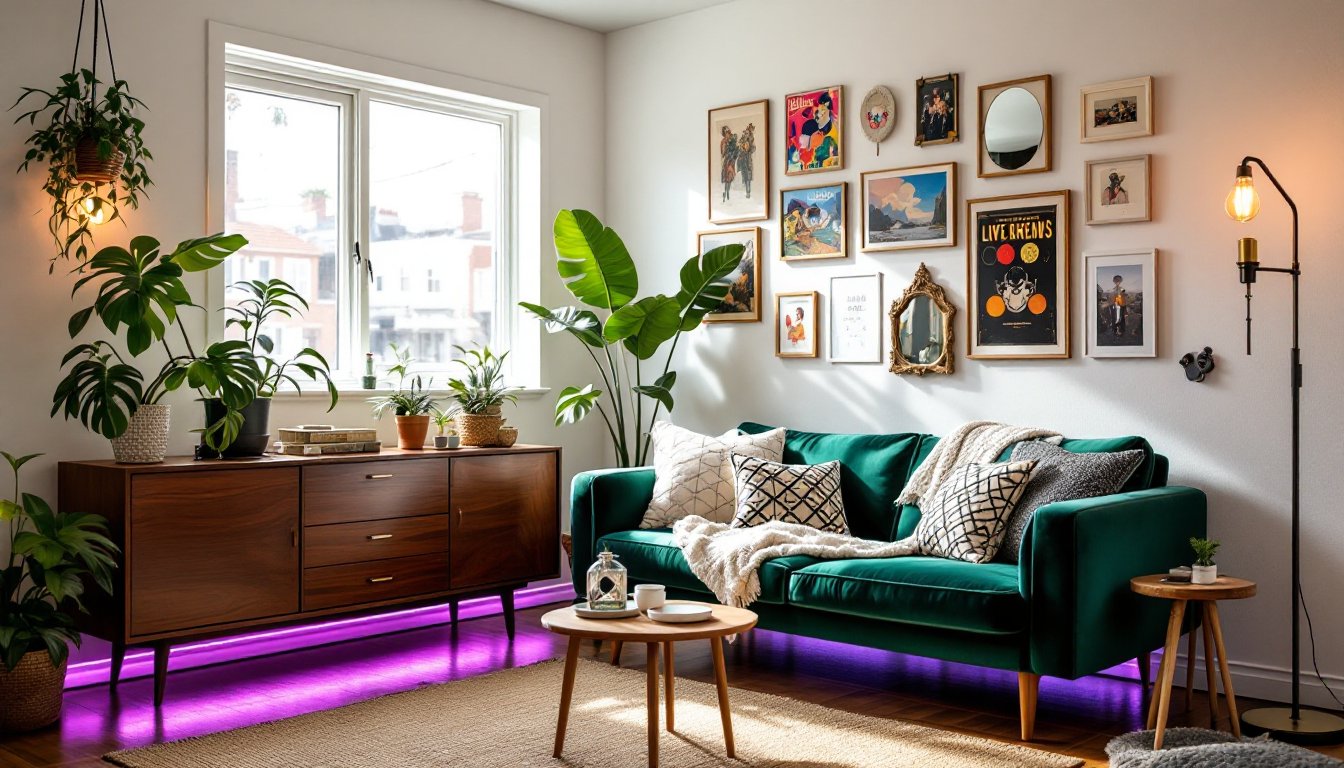

Gen Z, those born roughly between 1997 and 2012, aren’t just inheriting homes: they’re rewriting the rules of how to style them. Unlike previous generations that leaned on matching furniture sets or pristine showroom looks, Gen Z approaches interior design with a scrappier, more eclectic mindset. They blend secondhand scores with bold personal statements, prioritize sustainability without sacrificing style, and aren’t afraid to mix a vintage velvet couch with LED strip lights and houseplants. Understanding Gen Z interior design isn’t just about tracking trends, it’s about recognizing a fundamental shift in how younger homeowners and renters think about their spaces.
Key Takeaways
- Gen Z interior design rejects perfection and mass production in favor of authentic, secondhand finds and upcycled pieces that reflect personal values and sustainability.
- Eclectic maximalism, cottagecore, indie sleaze, dark academia, and Japandi are popular Gen Z styles often layered together to create personalized, non-prescribed spaces.
- LED strip lights, houseplants, gallery walls, and removable upgrades like peel-and-stick wallpaper are essential features that allow renters to design flexibly without permanent commitments.
- Thrifted and vintage furniture from the ’60s–’90s offers durability and character at lower cost than new particle board, making sustainability both budget-smart and environmentally responsible.
- Paint, DIY projects, and creative use of existing items provide the highest return on investment for achieving a Gen Z interior design aesthetic on any budget.
- Gen Z prioritizes digital-savvy design with spaces that photograph well and reflect how this generation socializes, balancing intentional Instagrammable elements with authentic personal expression.
What Makes Gen Z Interior Design Different?
Gen Z design philosophy breaks from the curated minimalism of millennials and the formal matchy-matchy aesthetic of boomers. It’s rooted in authenticity, resourcefulness, and digital fluency.
First, there’s the rejection of perfection. Gen Z sees Instagram-perfect spaces as sterile or inauthentic. They’d rather display a thrifted ceramic collection or a gallery wall of personal photos than invest in a single “statement piece” recommended by an algorithm.
Second, sustainability drives material choices. This generation grew up with climate change as a lived reality, not a distant concern. They favor secondhand furniture, upcycled décor, and refurbished vintage finds over mass-produced particle board from big-box retailers. It’s not just eco-conscious, it’s also budget-smart.
Third, digital culture influences physical spaces. Gen Z designs with an eye toward how a room photographs or streams. Accent lighting, bold color blocking, and “Instagrammable” corners aren’t shallow, they’re intentional design choices that reflect how this generation socializes and shares experiences.
Finally, there’s flexibility and function. Many Gen Zers are renting, moving frequently, or living in smaller urban spaces. Modular furniture, multifunctional pieces, and removable décor (peel-and-stick wallpaper, tension rods, removable hooks) dominate their toolkit. They design for adaptability, not permanence.
Core Principles of Gen Z Aesthetics
Gen Z interior design isn’t a single look, it’s a set of guiding values that shape how spaces come together.
Sustainability and Thrifted Finds
Sustainability isn’t a buzzword for Gen Z: it’s a baseline expectation. Thrift stores, estate sales, Facebook Marketplace, and Craigslist are primary sourcing channels. A solid wood dresser from the 1970s beats a new laminate unit every time, it’s sturdier, cheaper, and carries character.
Upcycling is standard practice. Old ladder shelves, refinished cabinets, reupholstered chairs, Gen Z sees potential where older generations see junk. They’re comfortable with sandpaper, wood stain, and a can of spray paint. A weekend project can turn a $20 garage sale table into a custom piece that would cost $200 new.
Vintage and antique dealers also see younger buyers. Mid-century modern furniture, art deco mirrors, and retro lighting fixtures appeal to Gen Z’s taste for unique, non-cookie-cutter pieces. They’re less concerned with provenance and more interested in whether something works in their space and tells a story.
Material transparency matters. If a company uses reclaimed wood, low-VOC finishes, or ethical labor, Gen Z notices. Greenwashing doesn’t fly, this generation cross-references claims and calls out brands on social platforms.
Personal Expression Over Perfection
Gen Z treats their living spaces like living mood boards. Walls are collages of art prints, concert posters, postcards, and personal photos, not matching frames from a single retailer. Shelves hold a mix of books, plants, collectibles, and random objects that mean something to the owner, even if they don’t “go together” by traditional design rules.
Bold paint choices are common. Jewel tones, earthy terracottas, deep greens, and saturated blues replace safe beiges and grays. Accent walls are back, but not in the dated two-tone style of the early 2000s. Think full-room color or strategic blocking that highlights architectural features.
They’re unafraid of pattern mixing, florals with stripes, geometric prints with organic textures. The key is balancing scale and color palette, not rigid matching. A vintage Persian rug can sit comfortably under a modern acrylic chair if the tones complement each other.
There’s also a willingness to embrace DIY imperfection. Hand-painted murals, homemade macramé, or self-installed peel-and-stick tile don’t need to look professional. The fact that it’s handmade adds value, not detracts from it.
Popular Gen Z Interior Design Styles
Gen Z doesn’t commit to a single aesthetic, but several styles dominate their spaces, often layered together.
Eclectic maximalism is a major trend. Unlike minimalism’s “less is more,” this approach celebrates abundance: layered textiles, packed gallery walls, and shelves crammed with objects that spark joy. It’s organized chaos with intention.
Indie sleaze and Y2K revival aesthetics pull from early 2000s nostalgia, metallic finishes, inflatable furniture, neon accents, and playful kitsch. Think lava lamps, beaded curtains, and fuzzy textures that would’ve been at home in a 2003 dorm room.
Cottagecore appeals to those craving cozy, pastoral vibes. Floral prints, natural linens, wooden furniture, dried flowers, and soft, diffused lighting create spaces that feel like a countryside retreat, even in a city apartment.
Dark academia leans into moody, library-inspired spaces. Deep wood tones, leather seating, vintage books, brass accents, and dim lighting create an intellectual, slightly gothic atmosphere.
Japandi (Japanese + Scandinavian fusion) offers a quieter alternative: clean lines, neutral palettes, natural materials, and functional simplicity. It’s minimalism with warmth, less sterile than Scandi, more refined than pure rustic.
Many Gen Zers don’t pick one style. They’ll combine cottagecore textiles with indie sleaze lighting and a Japandi furniture base. The result is personal, not prescribed.
Key Elements and Design Features
Certain features show up repeatedly in Gen Z spaces, regardless of overall style.
LED strip lights are ubiquitous. Installed along baseboards, behind desks, or around mirrors, they provide customizable ambient lighting that’s easy to install in rentals (most use adhesive backing or clips, no wiring required). Color-changing options let users shift the mood from warm white for reading to saturated purple for a late-night vibe.
Houseplants aren’t just décor, they’re roommates. Pothos, monsteras, snake plants, and philodendrons thrive in low light and forgive irregular watering. Gen Z treats plant care as a hobby and a design element. Macramé hangers, ceramic pots, and wall-mounted planters maximize greenery without sacrificing floor space.
Gallery walls replace traditional single-frame art. A mix of thrifted prints, personal photos, small mirrors, and found objects creates a dynamic focal point. Command strips and picture-hanging wire make it renter-friendly.
Textiles layer texture: throw blankets, patterned pillows, woven rugs, and tapestries add warmth without major investment. These are easy to swap out as tastes evolve.
Vintage and handmade furniture anchor the space. A refinished mid-century credenza, a reupholstered armchair, or a handmade coffee table adds character that flat-pack furniture can’t match.
Removable upgrades respect lease agreements. Peel-and-stick wallpaper, temporary backsplash tiles, tension rods for curtains, and adhesive hooks allow renters to personalize without losing a deposit. These products have improved dramatically, modern peel-and-stick options install cleanly and remove without residue if applied to properly prepped walls.
Personal collections get displayed, not hidden. Whether it’s vinyl records, vintage cameras, or ceramic mugs, Gen Z treats collections as art.
How to Create a Gen Z-Inspired Space on Any Budget
Achieving a Gen Z look doesn’t require a trust fund. It requires patience, creativity, and a willingness to hunt.
Start with secondhand furniture. Check local thrift stores, estate sales, and online marketplaces weekly. Solid wood pieces from the ’60s through ’90s are often cheaper than new particleboard and far more durable. Inspect for structural soundness, wobbly joints can be reglued, scratched surfaces can be sanded and refinished.
Paint is your best ROI. A gallon of quality paint (coverage: roughly 350–400 sq ft per gallon) costs $30–60 and can completely transform a room. Accent walls or bold color throughout make a space feel custom. If renting, confirm your lease allows painting, or use removable options.
DIY what you can. Reupholstering a chair seat, building simple floating shelves from 1×8 pine boards (actual dimensions: 3/4″ x 7-1/4″), or creating a headboard from reclaimed wood are all beginner-friendly weekend projects. YouTube tutorials and subreddit communities (r/DIY, r/HomeImprovement) offer step-by-step guidance.
Invest in lighting. Swap builder-grade fixtures for vintage pendant lights or add floor lamps with Edison bulbs for warmer ambiance. LED strips cost $15–40 for a 16-foot roll and install in under 30 minutes.
Layer textiles cheaply. Thrift stores carry blankets, pillows, and rugs at a fraction of retail. Wash thoroughly, and they’re good as new.
Use what you have. Gen Z design celebrates curation over consumption. Rearrange existing furniture, repurpose items (a vintage suitcase becomes a side table), and rotate décor seasonally to keep things fresh without buying new.
Prioritize a few statement pieces over many mediocre ones. One great vintage mirror or a bold rug anchors a room better than a dozen cheap accessories.
Safety note: If refinishing furniture, work in a ventilated area and wear a respirator mask (not just a dust mask) when sanding or using oil-based finishes. Wear nitrile gloves when handling stains or strippers, and always follow manufacturer’s safety guidelines.