
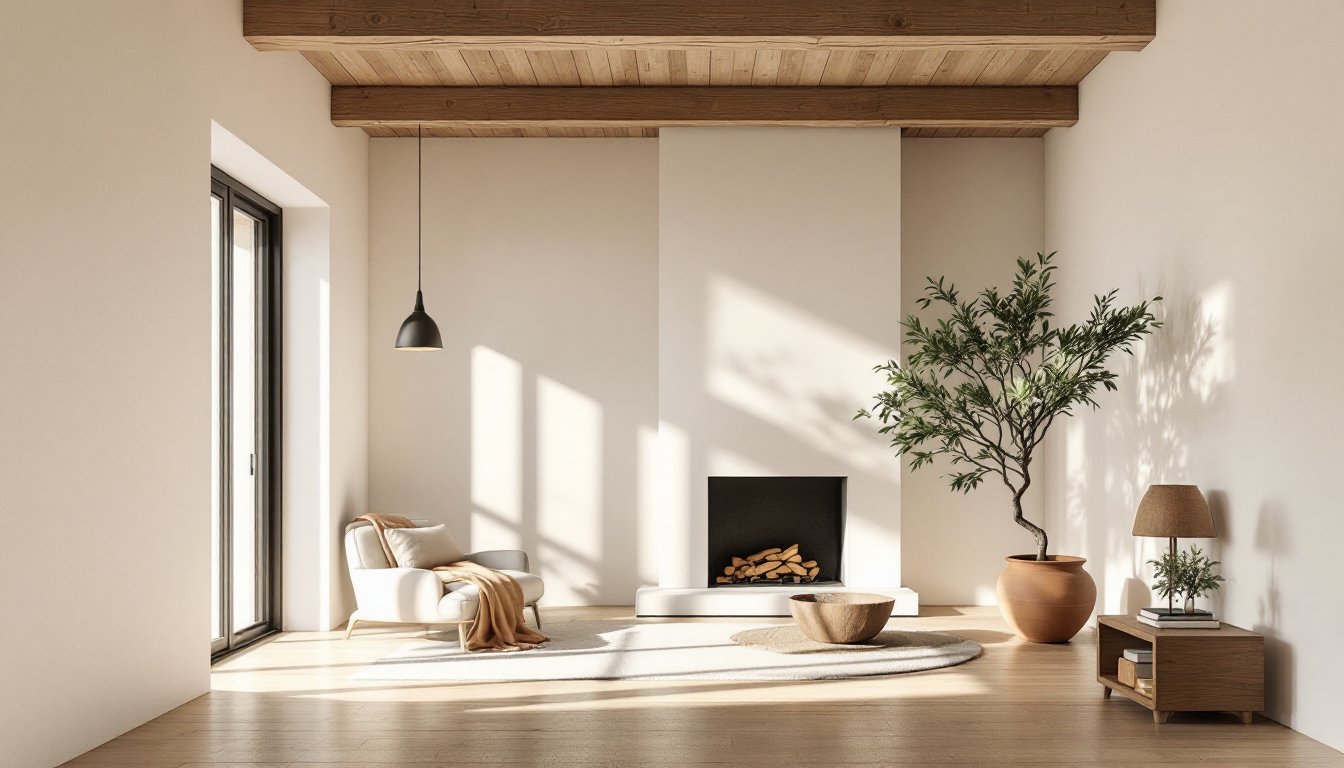

Contemporary modern Spanish interior design bridges centuries of Mediterranean tradition with the clean lines and breathing room of minimalism. It’s not about recreating a Seville villa or hanging wrought iron everywhere, it’s about capturing warmth, texture, and authenticity in a way that feels current and livable. This style thrives on natural materials, tactile surfaces, and a restrained palette that lets architecture and craftsmanship shine. For homeowners looking to add soul to modern spaces without the clutter, contemporary Spanish design offers a blueprint that’s both timeless and refreshingly unfussy.
Key Takeaways
- Contemporary modern Spanish interior design combines Mediterranean warmth with minimalist restraint, using natural materials and honest craftsmanship without ornate clutter.
- Essential materials include textured lime plaster walls, wide-plank wood flooring with low-sheen finishes, terracotta tiles, and honed stone for an authentic, aged aesthetic.
- The color palette stays grounded in warm neutrals—ivory, cream, and whites with terracotta, ochre, and muted rust accents—avoiding bright or competing colors.
- Styling this design requires ruthless editing: choose one statement element per room (like a tiled backsplash or wrought-iron light fixture) rather than layering multiple decorative pieces.
- Imperfections like hand-troweled plaster marks, reclaimed wood nail holes, and terracotta color variation are features, not flaws, that preserve the soul of contemporary Spanish interiors.
- Structural work such as exposed beams or arched openings should be carefully planned with professional guidance to balance open, breathable spaces with human-scaled coziness.
What Defines Contemporary Modern Spanish Interior Design?
At its core, contemporary modern Spanish interior design marries Old World craftsmanship with modern restraint. Think exposed beams, lime-washed walls, and terracotta tile, but edited down, not overdone. The style skips the heavy carved furniture and ornate ironwork of traditional Spanish Revival in favor of cleaner silhouettes and open floor plans.
Key characteristics include:
- Architectural honesty: Exposed wood beams (often reclaimed Douglas fir or oak), arched doorways, and visible ceiling joists that celebrate structural elements rather than hide them.
- Textured plaster walls: Smooth trowel finishes or subtle Venetian plaster in whites, creams, and warm grays. Drywall alone won’t cut it, this style relies on tactile wall surfaces.
- Natural light and flow: Large windows, often steel-framed or black aluminum to maintain clean lines, and minimal window treatments. The goal is to let sunlight wash over plaster and stone.
- Handcrafted details: Custom tile work, hand-forged hardware, and artisan lighting that add individuality without feeling fussy.
Unlike maximalist Spanish Colonial interiors, contemporary versions avoid pattern overload. Tile might appear as a kitchen backsplash or fireplace surround, not wall-to-wall. The effect is curated, not cluttered, every material earns its place.
Key Elements That Bring This Style to Life
Natural Materials and Textures
Contemporary Spanish interiors lean heavily on materials that age well and carry inherent texture. Authenticity matters more than perfection.
Wood: Opt for wide-plank oak, walnut, or reclaimed pine flooring with a matte or low-sheen finish. Avoid glossy polyurethane, this style favors hard wax oil or natural oil finishes that let the grain breathe. Ceiling beams should look weathered, not factory-fresh: many designers source reclaimed timbers or use wire-brushing and lime wash techniques to add patina.
Stone and tile: Terracotta floor tiles (often 12″×12″ or larger format for a modern feel) work beautifully in kitchens, entryways, and bathrooms. Unsealed or lightly sealed finishes show wear gracefully. For countertops and bath surrounds, consider honed marble, limestone, or soapstone, polished granite reads too slick. Handmade zellige or encaustic cement tiles can accent backsplashes or fireplace fronts without overwhelming.
Plaster: Walls are the canvas. Lime plaster or clay-based finishes add depth and softness that flat paint can’t match. These materials also help regulate humidity naturally, a practical benefit plus to the aesthetic payoff. Many applicators use a skip-trowel or knockdown texture for subtle variation.
Textiles: Linen, wool, jute, and cotton dominate. Think linen drapes puddling slightly at the floor, wool throw rugs over terracotta or oak, and jute or sisal area rugs that add warmth without pattern competition.
Warm, Earthy Color Palettes
The contemporary Spanish palette pulls directly from the landscape: sun-bleached stucco, clay soil, olive groves, and whitewashed stone. It’s warm but never loud.
Base neutrals: Whites lean warm, think alabaster, ivory, or off-white with cream undertones rather than stark white. Walls often shift subtly between shades depending on natural light.
Accent tones: Terracotta, ochre, burnt sienna, deep olive, charcoal, and muted rust. These appear in tile, upholstery, pottery, and textiles. Use them as grounding elements, not splashes of color.
Metal finishes: Matte black, oil-rubbed bronze, unlacquered brass, and blackened steel. Avoid shiny chrome or brushed nickel, they feel too contemporary in the wrong way. Door hardware, light fixtures, and plumbing should have a hand-forged or lived-in quality.
Wood tones: Medium to dark browns with visible grain. Walnut, oak, and reclaimed pine read well. Avoid orange-toned stains or high-gloss finishes.
How to Style Your Space with Contemporary Spanish Flair
Styling this look is about editing ruthlessly and letting each piece contribute to the overall calm.
Furniture: Choose pieces with clean lines and natural materials. Upholstered seating works best in linen, leather, or cotton duck in neutral tones. Wood furniture should feel substantial but not bulky, think trestle dining tables, low-profile platform beds, and open shelving rather than heavy cabinets. Avoid matching furniture sets: curated looks matter more than coordination.
Lighting: Pendant lights and chandeliers in wrought iron, blackened steel, or rattan anchor dining and living areas. For task lighting, choose ceramic table lamps or wall sconces with linen or parchment shades. Dimmer switches are essential, this style thrives in warm, low light.
Decor and accessories: Less is more. A single large ceramic vessel, a worn wood bowl, or a piece of handwoven wall art carries more impact than a shelf full of objects. Choose handmade pottery, woven baskets, vintage rugs, or framed black-and-white photography. Skip mass-produced decor.
Plants: Greenery softens modern lines. Olive trees in terracotta pots, fiddle-leaf figs, succulents, or trailing pothos work well. Use ceramic or unglazed clay planters, avoid plastic.
Window treatments: Keep them simple. Floor-length linen curtains in white or natural tones, mounted on matte black or wood rods, frame windows without fuss. Many contemporary Spanish interiors skip curtains altogether in favor of shutters or bare windows where privacy allows.
Blending Traditional Charm with Modern Minimalism
The magic of contemporary modern Spanish design lies in balancing old and new without tipping into theme park territory. It requires restraint and a willingness to let spaces breathe.
Start with architecture: If the home has arched doorways, exposed beams, or original plaster, lean into those features. If not, adding even one or two elements, a textured accent wall, a reclaimed beam mantel, or terracotta tile in a powder room, can shift the feel.
Edit the ornamentation: Traditional Spanish interiors often layer pattern, color, and carved detail. Contemporary versions pare that back. One statement tile moment, one wrought-iron light fixture, one vintage rug, not all three in the same room.
Embrace imperfection: This isn’t a style that demands flawless drywall or perfectly uniform tile. Hand-troweled plaster will show trowel marks. Reclaimed wood will have nail holes and checks. Terracotta tile may vary slightly in color. That’s the point. If every surface looks machine-made, the soul of the style gets lost.
Consider structural work carefully: Exposed beams are often decorative (non-load-bearing) additions, but if removing walls or altering ceilings to create open spans, consult a structural engineer or licensed contractor. Arched openings can be framed with drywall and plaster or built with brick or stone, but load-bearing arches require proper support and may need permits depending on local codes.
Respect scale: Modern minimalism favors open, uncluttered space. Traditional Spanish design loves cozy, layered rooms. Contemporary modern Spanish finds the middle ground, rooms feel warm and human-scaled without being cramped or overstuffed.
Conclusion
Contemporary modern Spanish interior design doesn’t shout. It whispers through textured plaster, the grain of wide-plank oak, and the weight of a hand-forged door pull. It’s a style built on quality materials, honest craftsmanship, and the confidence to leave space unfilled. For anyone ready to trade trends for timelessness, it’s a smart, grounded approach that rewards patience and attention to detail.