
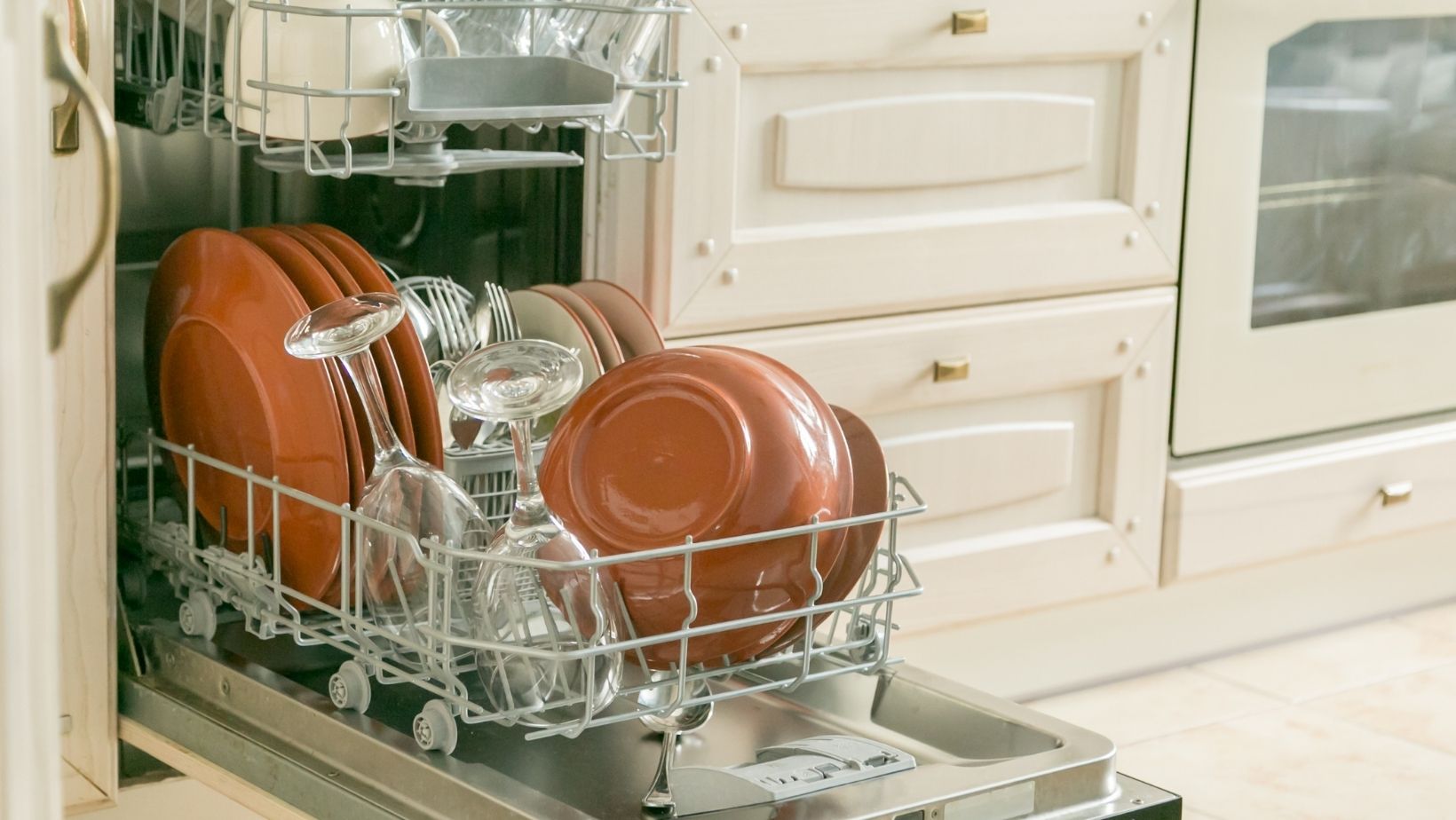

Dishwashers are built to handle frequent use, often running daily in busy households. Over time, the constant exposure to water, detergent, heat, and food residue can place stress on internal components. While these appliances are designed for durability, individual parts naturally wear down and may eventually need replacement to maintain proper performance.
Recognizing early warning signs helps prevent minor issues from turning into larger repairs. In many cases, a dishwasher that begins to perform poorly does not need to be replaced entirely. Instead, the problem often lies with a specific component that can be repaired or replaced. Finding compatible replacement parts for dishwasher models makes it easier to restore performance while ensuring proper fit and reliable operation.
Dishes Remain Dirty After a Full Cycle
One of the most noticeable signs that a dishwasher may need attention is when dishes come out dirty even after a complete wash cycle. Food residue, grease, or cloudy glassware often indicate that water is not circulating properly inside the appliance. When the dishwasher cannot distribute water effectively, the cleaning process becomes less efficient.
Several internal components may contribute to this issue. Spray arms can become clogged or damaged over time, preventing water from reaching all areas of the dishwasher. The circulation pump may also begin to weaken, reducing water pressure throughout the system. In some cases, the detergent dispenser may fail to release soap at the correct time, preventing the cleaning agents from dissolving food residue. Inspecting these components and replacing worn parts often restores the dishwasher’s cleaning performance.
Water Remaining at the Bottom of the Dishwasher
Finding standing water at the bottom of the dishwasher after a cycle has finished usually indicates a drainage problem. Normally, the appliance should remove all wastewater before completing the wash program. When water remains inside the tub, it suggests that the drainage system is not functioning as it should.
This issue can be caused by several factors. A clogged dishwasher filter or blocked drain hose may prevent water from flowing out properly. Over time, grease, food debris, and detergent residue can accumulate and restrict drainage. In other situations, the drain pump itself may be worn or damaged, reducing its ability to push water out of the appliance. Replacing a failing drain pump can often restore normal drainage and prevent recurring problems.
Unusual Noises During Operation
Dishwashers typically make consistent operating sounds while running through their cycles. However, loud grinding, rattling, or buzzing noises may indicate that one of the internal components is no longer functioning properly. Changes in sound often signal that a part inside the appliance is worn, loose, or obstructed.
In some cases, debris such as small food particles or broken glass may become trapped near the pump or spray arms. While removing debris can sometimes solve the problem, persistent noise may indicate mechanical wear. Components such as the circulation pump motor or damaged spray arms may produce louder sounds as they begin to fail. Replacing worn components can help restore smooth and efficient operation.
Dishwasher Leaking Water
Water leaking around the dishwasher door or underneath the appliance should never be ignored. Even small leaks can gradually cause damage to surrounding cabinets, flooring, or kitchen structures if the issue continues over time. Fortunately, leaks are often caused by specific components that can be replaced.
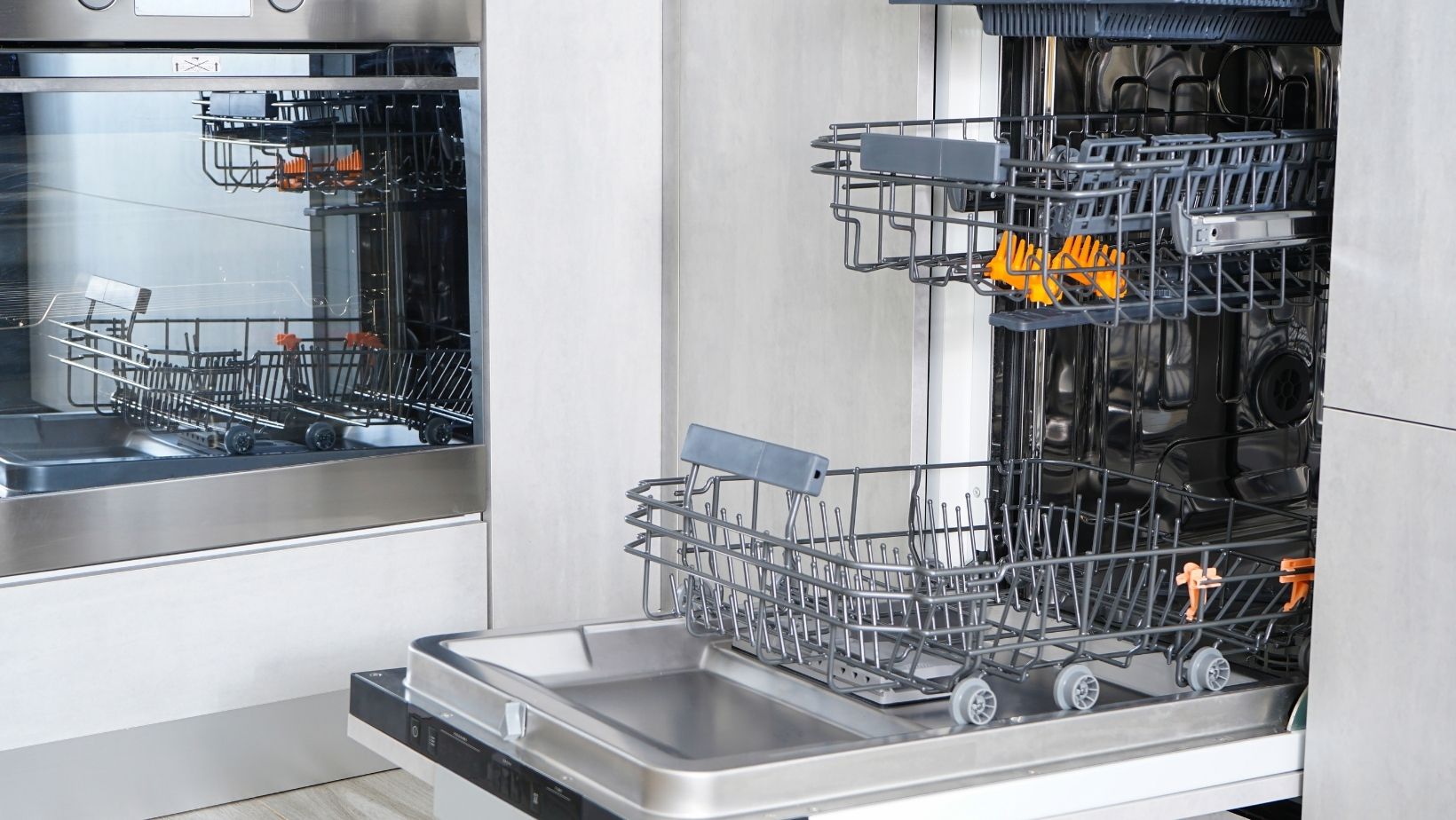
The door gasket is one of the most common sources of dishwasher leaks. This rubber seal creates a watertight barrier around the door during operation. With regular use, the gasket may become brittle, cracked, or lose its flexibility, allowing water to escape. Other components such as hose connections or the water inlet valve may also contribute to leakage if they become loose or damaged. Replacing a worn gasket or faulty valve usually restores the appliance’s proper seal.
Dishwasher Takes Longer to Complete Cycles
If the dishwasher suddenly begins taking significantly longer to complete a wash cycle, it may be struggling to reach the required temperature or maintain proper water circulation. Extended cycles are often a sign that certain internal components are no longer performing efficiently.
The heating element is responsible for warming the water during the wash and drying stages. When this component begins to weaken or fail, the dishwasher may attempt to compensate by running longer cycles. Reduced heating performance can also affect drying results, leaving dishes damp at the end of the cycle. Replacing a worn heating element can restore normal cycle timing and improve overall performance.
Detergent Not Dispensing Properly
The detergent dispenser releases soap during the wash cycle at a specific moment when water pressure and temperature are optimal. If detergent remains inside the compartment after the cycle ends, the dishwasher may not be distributing cleaning agents properly.
Residue buildup or mechanical wear can prevent the dispenser door from opening during the cycle. When this happens, detergent cannot mix with the wash water, which often leads to poorly cleaned dishes. In many cases, replacing the detergent dispenser assembly is the most effective solution and helps restore proper detergent distribution.
Identifying and Replacing Worn Components
Dishwashers rely on multiple components working together to deliver consistent cleaning results. When one part begins to fail, the appliance may still operate but with noticeable reductions in performance. Paying attention to early warning signs helps prevent more extensive damage and costly repairs.
Once the source of the issue is identified, replacing the affected component with a compatible replacement part helps restore the appliance’s performance and reliability. With proper maintenance and timely repairs, many dishwashers can continue operating efficiently for years without requiring a full replacement.