
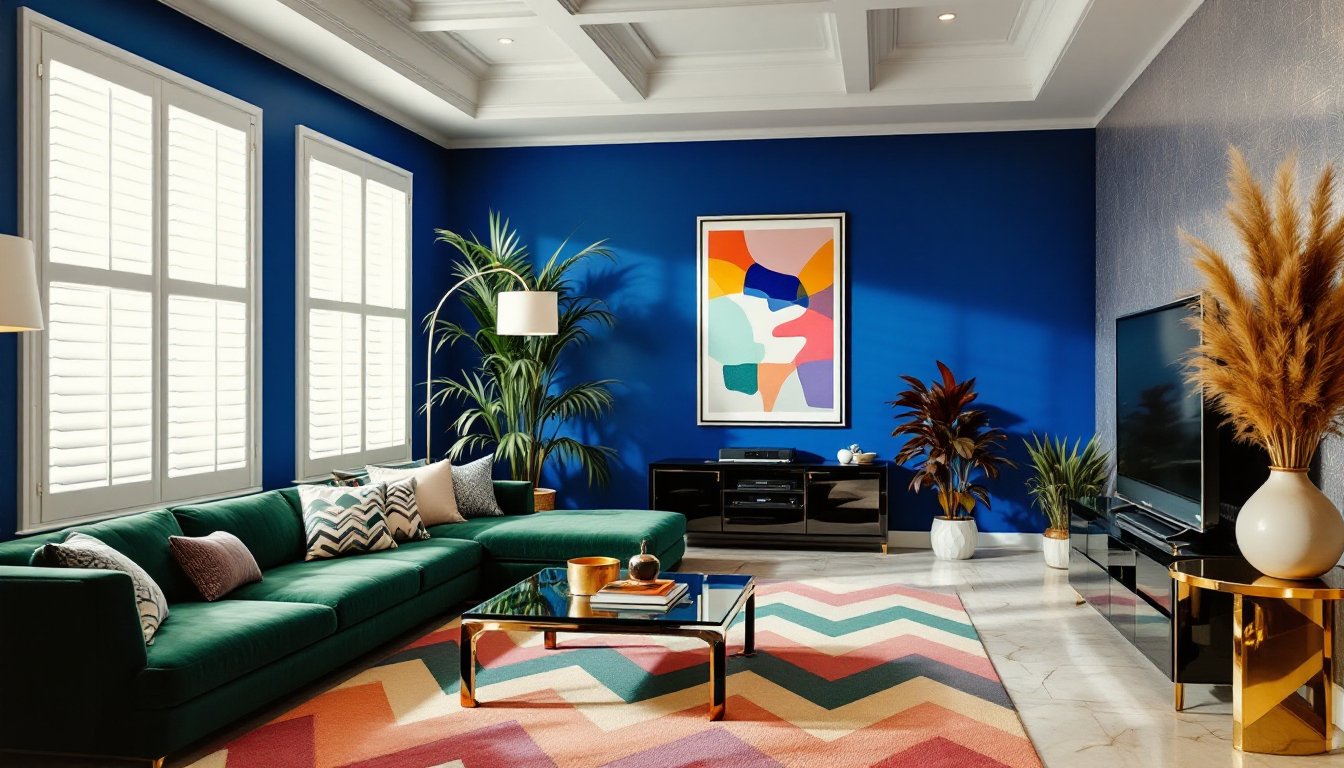

The 1980s brought unabashed maximalism to American homes, neon accents, mirrored surfaces, and geometric patterns that didn’t whisper but shouted. Unlike today’s minimalist trends, ’80s interior design celebrated excess with lacquered finishes, oversized furniture, and color schemes that ranged from Miami Vice pastels to jewel-toned opulence. While some elements aged poorly (looking at you, dusty mauve), many hallmarks of the era, brass fixtures, terrazzo, and bold geometry, are making a serious comeback. For DIYers and renovators eyeing vintage character without full-blown retro kitsch, understanding what worked (and what didn’t) in ’80s design makes it possible to cherry-pick the best elements for modern spaces.
Key Takeaways
- 1980s interior design celebrated bold maximalism with jewel tones, geometric patterns, and high-gloss finishes that contrasted sharply with minimalist trends, making selective elements ideal for adding personality to modern homes.
- Iconic materials like brass fixtures, terrazzo flooring, mirrored surfaces, and lacquered finishes defined the era, though proper maintenance and refinishing techniques are essential when incorporating vintage pieces into contemporary spaces.
- Smart integration of ’80s design works best through accent pieces—a statement side table, geometric backsplash, or single bold-colored accent wall—rather than full-room commitment to avoid kitsch.
- Understanding what worked in 1980s interior design, such as deep jewel tones in well-lit rooms and mixed metals, helps homeowners cherry-pick era-defining elements while avoiding dated mistakes like dusty mauve pastels or overwhelming patterns.
- Practical retrofitting of vintage ’80s furniture requires proper surface preparation, chemical strippers, or heat guns to remove old lacquer, plus realistic expectations about structural integrity before investing in reupholstering or restoration.
What Defined 1980s Interior Design?
The decade’s aesthetic split into two camps: postmodern glamour and Southwestern casual. Postmodern design embraced asymmetry, mixed materials (glass, chrome, lacquer), and architectural shapes, think Memphis Group furniture with its chaotic angles and bold primaries. Meanwhile, the Southwestern trend leaned into terracotta, cactus motifs, and desert tones, particularly in warmer climates.
Both shared a rejection of the earth-toned 1970s. Wall-to-wall carpeting persisted but upgraded to plush, high-pile textures in bold colors. Wallpaper featured oversized florals, geometric grids, or metallic patterns. Ceiling treatments got attention too, coffered ceilings, popcorn texture (often hiding subpar drywall work), and recessed lighting became standard in new construction.
Technology influenced layouts. Entertainment centers grew massive to house VCRs, stereo components, and bulky TVs. Built-in shelving units often featured glass doors, interior lighting, and mirrored backs to showcase electronics and decorative objects. Open floor plans started gaining traction, though load-bearing walls still dominated most retrofit projects.
Bold Color Palettes and Geometric Patterns
Jewel tones ruled upscale spaces: emerald green, sapphire blue, and deep burgundy appeared on walls, upholstery, and drapery. These weren’t subtle accents, entire rooms committed to single saturated hues, often paired with contrasting trim in glossy white or metallic gold.
Pastel combinations found favor in lighter spaces: peach and teal, mauve and gray, coral and seafoam. These schemes worked best with ample natural light but could feel dingy in north-facing rooms or basements. Paint coverage typically required two coats over primer, especially when transitioning from darker 1970s paneling.
Geometric patterns appeared everywhere: chevrons, Greek keys, and Memphis-style squiggles on wallpaper, tile, and textiles. Vinyl wallpaper with raised textures or foil finishes added dimension but proved nightmarish to remove (steam and scoring tools are essential for DIY removal projects). Border strips, narrow wallpaper bands running at picture-rail height, provided visual breaks in busy patterns.
Black accents grounded brighter palettes. Black lacquer furniture, matte black window frames, and black grout in tile installations added contrast. This approach anticipated modern industrial aesthetics but felt more theatrical in execution.
Luxe Materials and High-Gloss Finishes
Brass dominated hardware, lighting, and decorative elements. Unlike the brushed nickel popular today, ’80s brass skewed bright and yellow-toned. Cabinet pulls, faucet sets, and door hardware featured polished or lacquered finishes that required regular maintenance to prevent tarnishing. Many homeowners now strip lacquer and embrace natural patina or refinish with modern protective coatings.
Mirrors and glass amplified space and light. Mirrored walls (applied as large sheets or tiles with visible seams) expanded narrow rooms but created cleaning headaches and visual clutter. Smoked glass appeared in tabletops, shelving, and cabinet inserts. Glass block, hollow modular units mortared like masonry, served as room dividers, shower enclosures, and accent windows. Installation requires attention to structural support: each 8″ × 8″ × 3″ block weighs roughly 5 pounds.
Lacquered finishes gave furniture and millwork a glassy sheen. High-gloss polyurethane on wood surfaces or automotive-grade lacquer on custom pieces delivered that signature look. Achieving professional results requires dust-free conditions, proper ventilation (respirator mandatory), and patience, multiple thin coats beat one thick application.
Terrazzo and faux-marble dominated flooring. Real terrazzo, cement embedded with marble chips, saw use in high-end homes but required professional installation and polishing. Vinyl sheet goods and ceramic tiles mimicked the look at lower cost. Modern terrazzo’s resurgence makes salvaging original installations worthwhile: refinishing involves diamond grinding and resealing.
Iconic Furniture Styles of the 1980s
Sectional sofas grew massive, often featuring modular corner units, recliners, and built-in end tables. Upholstery leaned toward leather (or vinyl alternatives), velour, or bold prints. Pit-style sectionals sat low to the ground on wide platforms. Check frame construction on vintage pieces, solid hardwood frames justify reupholstering, but particleboard units aren’t worth the investment.
Glass and chrome tables epitomized the era’s sleek aesthetic. Coffee tables paired thick glass tops (usually ½” tempered glass) with tubular chrome or brass bases. Dining sets followed suit with pedestal bases and beveled-edge glass. Safety note: tempered glass can shatter if edges chip: inspect carefully before purchase.
Entertainment centers and wall units functioned as room focal points. These hefty built-ins or freestanding units featured cubby storage, adjustable shelving, and cabinet sections. Many incorporated lighting, mirrored backs, and wire-management systems. Vintage units require modification for modern flat-screens and cable management: cordless drills and hole saws handle retrofitting.
Waterbed frames defined many bedrooms even though their structural demands. A queen waterbed mattress holds roughly 200 gallons, about 1,600 pounds. Installation required reinforced floor joists (verify span tables per IRC: 2″ × 10″ joists at 16″ on-center suffice for most applications) and specialized heaters and liners. Most have since been removed due to maintenance hassles and floor concerns.
Decorative Accessories and Accent Pieces
Neon lighting extended beyond commercial spaces into homes. Flex neon and rigid tubing outlined architectural features, hung as wall art, or backlit bars and shelves. Modern LED neon alternatives offer easier DIY installation without high-voltage transformers, most run on 12V DC power supplies and mount with clips or adhesive channels.
Oversized artwork and sculpture commanded attention. Abstract prints in acrylic box frames, brushed metal wall sculptures, and large-scale photography replaced smaller traditional pieces. Gallery walls hadn’t caught on yet: single statement pieces anchored rooms. Mounting heavy frames requires hitting studs or using appropriate drywall anchors, toggle bolts rated for 50+ pounds handle most installations in ½” drywall.
Potted plants brought greenery indoors, but not the cascading varieties popular today. Ficus trees, rubber plants, and palms stood in floor planters, often brass or ceramic. Macramé hangers held spider plants and pothos. Silk or dried arrangements filled decorative vases, dusty pampas grass appeared everywhere.
Venetian blinds in metallic or white finishes controlled light in most windows. Mini-blinds (1″ slats) replaced wood or fabric treatments from earlier decades. Installation remains straightforward, most mount inside or outside the window frame with included brackets. Measure carefully: inside mounts require precise width measurements accounting for mounting hardware.
How to Incorporate 1980s Design Into Modern Homes
Start with accent pieces rather than full commitment. A Memphis-style side table or brass floor lamp introduces ’80s flair without overwhelming a space. Vintage furniture often needs refinishing, stripping old lacquer requires chemical removers (work outdoors with nitrile gloves and respirator) or heat guns, followed by sanding and fresh topcoats.
Embrace terrazzo and geometric tile in small doses. Modern terrazzo tiles install like standard ceramic, thinset mortar, proper spacing, and grout seal the deal. Sheet vinyl terrazzo patterns offer budget-friendly alternatives for laundry rooms or entryways. Geometric backsplashes in kitchens or accent walls in bathrooms channel the era without full-room commitment.
Update brass fixtures thoughtfully. New manufacturers offer aged brass and unlacquered options that avoid the brassy yellow of the ’80s. Mix metals intentionally, brass cabinet pulls with matte black faucets or bronze lighting creates depth. Polishing vintage brass requires specific cleaners: Bar Keeper’s Friend or dedicated brass polish removes tarnish without scratching.
Choose one bold color wall. Deep jewel tones work as accent walls, especially in rooms with good natural light. Modern paint formulations cover better than ’80s options, premium paints often achieve full coverage in one coat over primer. Benjamin Moore and Sherwin-Williams offer jewel-tone collections that reference the era with better longevity.
Skip the wall-to-wall carpet. If original ’80s carpet remains, removal typically involves pulling staples, scraping padding residue, and refinishing subfloors. Most vintage carpet contains backing that deteriorates into dust, wear a respirator rated for particulates. Area rugs with geometric patterns over hardwood or tile deliver visual interest with easier maintenance.
Conclusion
Eighties design wasn’t timid, and that’s precisely why selective elements resonate today. The era’s best contributions, bold geometry, mixed materials, and unapologetic color, translate well when balanced with modern restraint. Retrofitting vintage pieces or recreating finishes demands proper surface prep and realistic expectations about material longevity. But for homeowners willing to sand, seal, and selectively restore, ’80s design offers texture and personality that mass-market minimalism can’t match.