
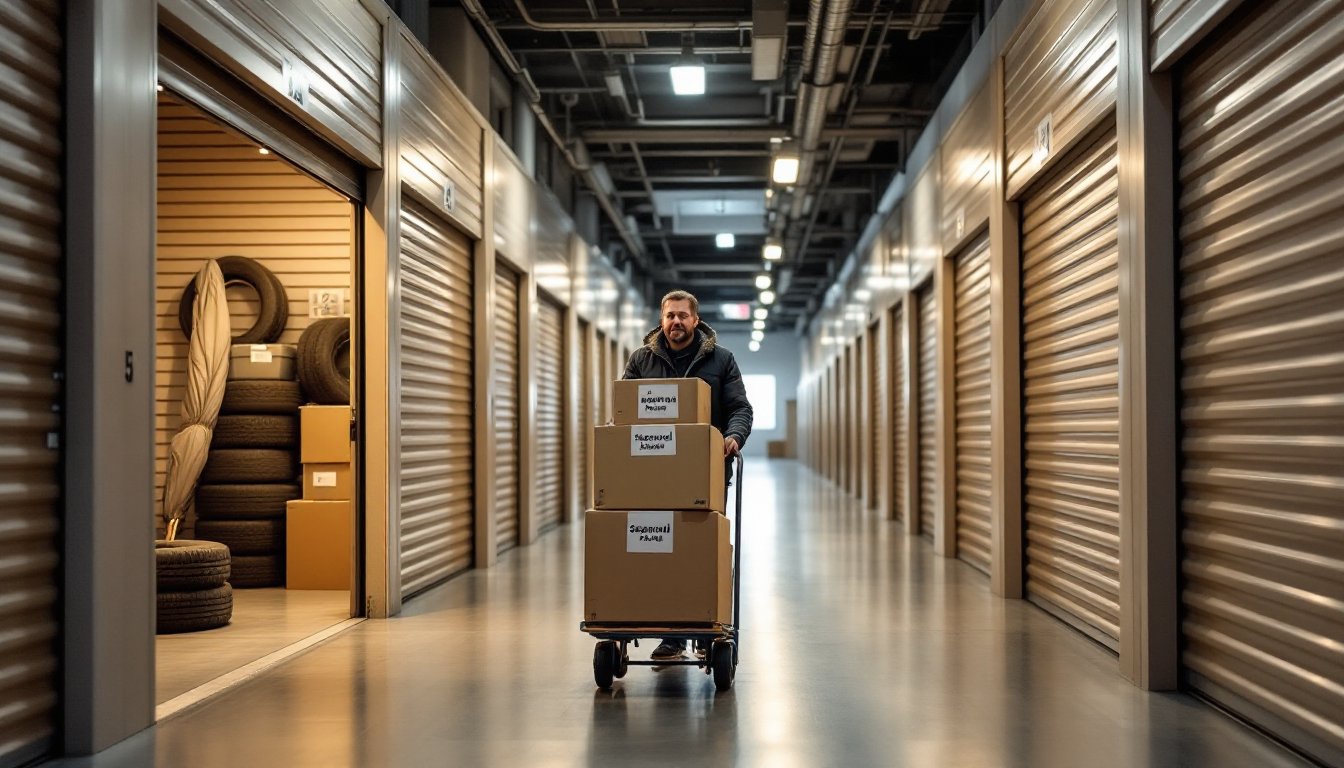

Winnipeg’s extreme seasonal swings, from sub-zero January deep freezes to humid summer heat, create unique storage challenges most cities never face. Residents juggle winter tires, patio furniture, holiday decorations, and sports gear that can’t all coexist in standard basements or garages. Add renovation projects, downsizing moves, or small business inventory needs, and suddenly every closet feels packed to capacity. This guide cuts through the clutter to explain what storage options exist across Winnipeg, how climate impacts material safety, what facilities charge in 2026, and which neighborhoods offer the best combination of access and value.
Key Takeaways
- Winnipeg’s extreme temperature swings from -30°F to 90°F require climate-controlled storage solutions to protect wood furniture, electronics, documents, and musical instruments from freeze-thaw damage.
- Storage solutions in Winnipeg range from affordable 5×5 standard units ($45–$65/month) to 10×30 climate-controlled spaces ($240–$325/month), with costs 15–25% below national Canadian averages.
- Climate-controlled units cost 20–40% more than standard storage but are essential for valuable items, while drive-up access and 24/7 entry availability should guide facility selection based on individual access needs.
- Prime storage neighborhoods like St. Vital, Kenaston Boulevard, and Transcona offer convenient access via major arteries, with Kenaston commanding 10–15% higher rates for newer facilities compared to budget-friendly east-end options.
- Inspect facilities in person for water damage, rodent signs, and drainage history before leasing, and verify whether existing homeowner or renter policies cover storage units to avoid duplicate insurance costs of $10–$20 monthly.
Why Winnipeg Residents Need Smart Storage Solutions
Winnipeg’s temperature extremes aren’t just inconvenient, they’re destructive to materials left in unheated spaces. Winter lows routinely hit -30°F to -40°F, causing moisture in wood furniture to freeze and crack, while summer heat above 90°F warps vinyl records, melts adhesives in electronics, and degrades rubber seals in appliances.
Many older Winnipeg homes lack finished basements or attached garages, forcing residents to store seasonal items in uninsulated sheds where freeze-thaw cycles wreak havoc. Even newer builds often sacrifice storage square footage for living space, leaving homeowners with minimal closet depth and no dedicated area for bulky items like canoes, snow blowers, or construction tools.
The city’s seasonal lifestyle demands compound the problem. Winter tires alone consume roughly 12 cubic feet per vehicle, multiply that by two cars, and a family’s already competing for space with skis, hockey bags, and patio cushions that rotate in and out every six months. Renovation work adds another layer: contractors often require cleared rooms, but most people don’t have spare bedrooms to stage furniture during a kitchen gut or bathroom remodel.
Small business owners face similar constraints. Winnipeg’s commercial real estate costs favor compact retail or office footprints, leaving little room for inventory overflow, archived records, or seasonal display materials. A 10×10 storage unit often costs less per square foot than expanding commercial lease space, making off-site storage a practical alternative for businesses managing fluctuating stock levels.
Types of Storage Solutions Available in Winnipeg
Self-Storage Units
Standard self-storage units operate like mini garages: renters access individual spaces secured by personal locks, typically during extended hours or 24/7 depending on the facility. Units range from 5×5 lockers (25 square feet, suitable for seasonal clothing or small boxes) up to 10×30 spaces (300 square feet, large enough for a multi-bedroom home’s contents).
Most Winnipeg facilities offer drive-up access on ground-floor units, which simplifies loading heavy items like furniture or appliances without navigating elevators or hallways. Indoor units, accessed through climate-controlled corridors, sacrifice some loading convenience but provide better protection from Winnipeg’s weather extremes.
Security features vary by operator but commonly include perimeter fencing, gated entry with PIN codes, motion-sensor lighting, and video surveillance covering main corridors. Higher-end facilities add individual unit alarms that trigger if a door opens outside the renter’s scheduled access times.
Standard units generally aren’t heated or cooled. They’ll stay warmer than outdoor sheds in winter and cooler than attics in summer, but internal temperatures still swing significantly. This works fine for metal tools, sealed plastic bins, or outdoor equipment, but risks damage to wood instruments, leather goods, photos, or electronics.
Climate-Controlled Storage
Climate-controlled units maintain interior conditions between 55°F and 80°F year-round, with humidity typically regulated between 30% and 50%. This protection comes at a premium, expect to pay 20% to 40% more than standard units of the same size, but it’s essential for:
- Wood furniture: Prevents cracking, warping, and joint separation from freeze-thaw cycles
- Electronics: Stops condensation damage to circuit boards and hard drives
- Documents and photos: Prevents mold, yellowing, and adhesive failure
- Musical instruments: Maintains stable humidity critical for pianos, guitars, and violins
- Antiques and collectibles: Preserves fabrics, leather, and delicate finishes
- Wine and spirits: Avoids cork shrinkage and flavor degradation
Winnipeg’s extreme cold makes climate control particularly valuable during November through March, when unheated storage can dip below freezing for weeks. Some facilities offer partial climate control, insulated but not fully heated, as a middle-ground option for items that tolerate cool (but not freezing) temps.
Most climate-controlled units sit in interior corridors rather than offering drive-up access. Plan to use a dolly or hand truck for moving heavier loads from vehicle to unit, especially if the facility has multiple floors.
How to Choose the Right Storage Facility in Winnipeg
Start by mapping drive time from home or work during rush hour, not just distance. A facility 15 minutes away via Perimeter Highway beats one five miles closer if it requires crawling through Portage and Main congestion twice weekly.
Access hours matter more than most renters anticipate. Some budget facilities limit entry to 6 a.m.–9 p.m. daily, which becomes restrictive if someone works evenings or needs weekend access for moving projects. Premium operators offer true 24/7 entry with gate codes, though a few still require advance notice for overnight access.
Inspect the unit condition in person before signing. Open the door and check for:
- Water stains on walls or ceiling (roof leaks or drainage issues)
- Musty odors (poor ventilation or past moisture problems)
- Rodent droppings (gaps in door seals or building envelope)
- Floor cracks or settling (structural concerns, especially for heavy items)
Ask whether the facility has experienced flooding during spring melt or heavy rain events. Winnipeg’s clay soil and proximity to the Red and Assiniboine rivers create drainage challenges in low-lying areas. If storing items on the floor, confirm the building sits above flood plain designations and has functional sump systems.
Review the lease terms carefully. Month-to-month agreements offer flexibility but often cost 10%–15% more than six- or twelve-month commitments. Check for:
- Late payment penalties (typically $15–$25 or 10% of rent)
- Lock-in periods (some discounted rates require 3–6 month minimums)
- Rate increase policies (annual bumps of 3%–8% are common)
- Insurance requirements (most facilities mandate minimum $2,000 coverage)
Many homeowner or renter policies extend limited coverage to storage units, but verify exclusions, high-value items like jewelry, firearms, or business inventory often need separate riders. Facility-offered insurance typically runs $10–$20 monthly per $2,000 coverage, which can exceed standalone policy costs.
Confirm whether the facility provides free equipment loans: dollies, hand trucks, and furniture pads save multiple trips and reduce damage during loading. Some locations stock packing supplies (boxes, tape, bubble wrap) on-site at markup, while others let renters bring their own without restriction.
What to Expect for Storage Costs in Winnipeg
As of April 2026, Winnipeg storage rates generally run 15%–25% below national Canadian averages, reflecting the city’s lower commercial real estate costs and competitive market.
Typical monthly rates for standard (non-climate-controlled) units:
- 5×5 (25 sq ft): $45–$65
- 5×10 (50 sq ft): $70–$95
- 10×10 (100 sq ft): $110–$150
- 10×15 (150 sq ft): $145–$195
- 10×20 (200 sq ft): $175–$240
- 10×30 (300 sq ft): $240–$325
Climate-controlled units add roughly $20–$60 monthly depending on size:
- 5×5 climate: $65–$85
- 5×10 climate: $95–$125
- 10×10 climate: $145–$190
- 10×15 climate: $185–$250
Prices fluctuate based on location (facilities near major arteries like Kenaston or Lagimodière command premiums), amenities (24/7 access, superior security, covered loading), and market timing. Late fall and winter typically offer better deals as demand drops, spring and early summer see rate spikes when moving activity peaks.
Watch for promotional rates that apply only to the first month or three months, then jump to standard pricing. A facility advertising “$1 first month” might actually cost $140 monthly afterward, making a competitor’s flat $120 rate cheaper over six months.
Budget for additional fees:
- Administrative/setup fee: $15–$35 one-time
- Security deposit: Often waived, or equal to one month’s rent
- Lock purchase: $10–$25 if the facility requires specific disc or cylinder locks
- Insurance: $10–$20 monthly if not covered by existing policies
Business storage often requires commercial lease agreements with different rate structures and tax implications. Some facilities charge higher rates for commercial use of the same unit size, while others simply require proof of liability insurance and business registration.
Top Neighborhoods and Areas for Storage Facilities
St. Vital and Windsor Park offer high concentrations of storage facilities with easy access from Lagimodière Boulevard and Bishop Grandin. The area serves south and southeast Winnipeg residents without requiring downtown navigation, and proximity to the Perimeter Highway helps reach facilities quickly from bedroom communities like Lorette or Niverville.
Transcona hosts several budget-friendly options along Dugald Road and Regent Avenue West, appealing to east-end residents and those prioritizing cost over premium amenities. Industrial zoning in parts of Transcona means facilities can offer larger outdoor storage for RVs, boats, and trailers alongside standard units.
Kenaston Boulevard (particularly between Taylor Avenue and McGillivray) features newer facilities with modern security systems and climate control. Central location makes this corridor convenient for residents throughout west and southwest Winnipeg, though rates trend 10%–15% higher than peripheral areas.
North End and Inkster Boulevard areas provide options for residents in North Kildonan, Garden City, and West Kildonan. Facilities here balance mid-range pricing with decent access from Main Street and McPhillips, though some older buildings may lack climate control or 24/7 entry.
Headingley and Perimeter West suit rural residents or those storing large items like construction equipment or seasonal farm gear. These locations sacrifice some convenience for Winnipeg proper residents but often feature expansive outdoor storage yards and flexible lease terms for oversized vehicles.
When comparing neighborhoods, factor in winter road conditions, facilities on well-maintained routes like Kenaston or Lagimodière stay accessible even during heavy snowfall, while some industrial parks on secondary roads can become difficult to navigate until plows clear them hours later.